
Table of Contents
School Trips to Mongolia: A South Gobi Education Journey for High School Students
There are places students remember because they are beautiful, and there are places they remember because they change how they understand the world. Mongolia’s South Gobi can do both.
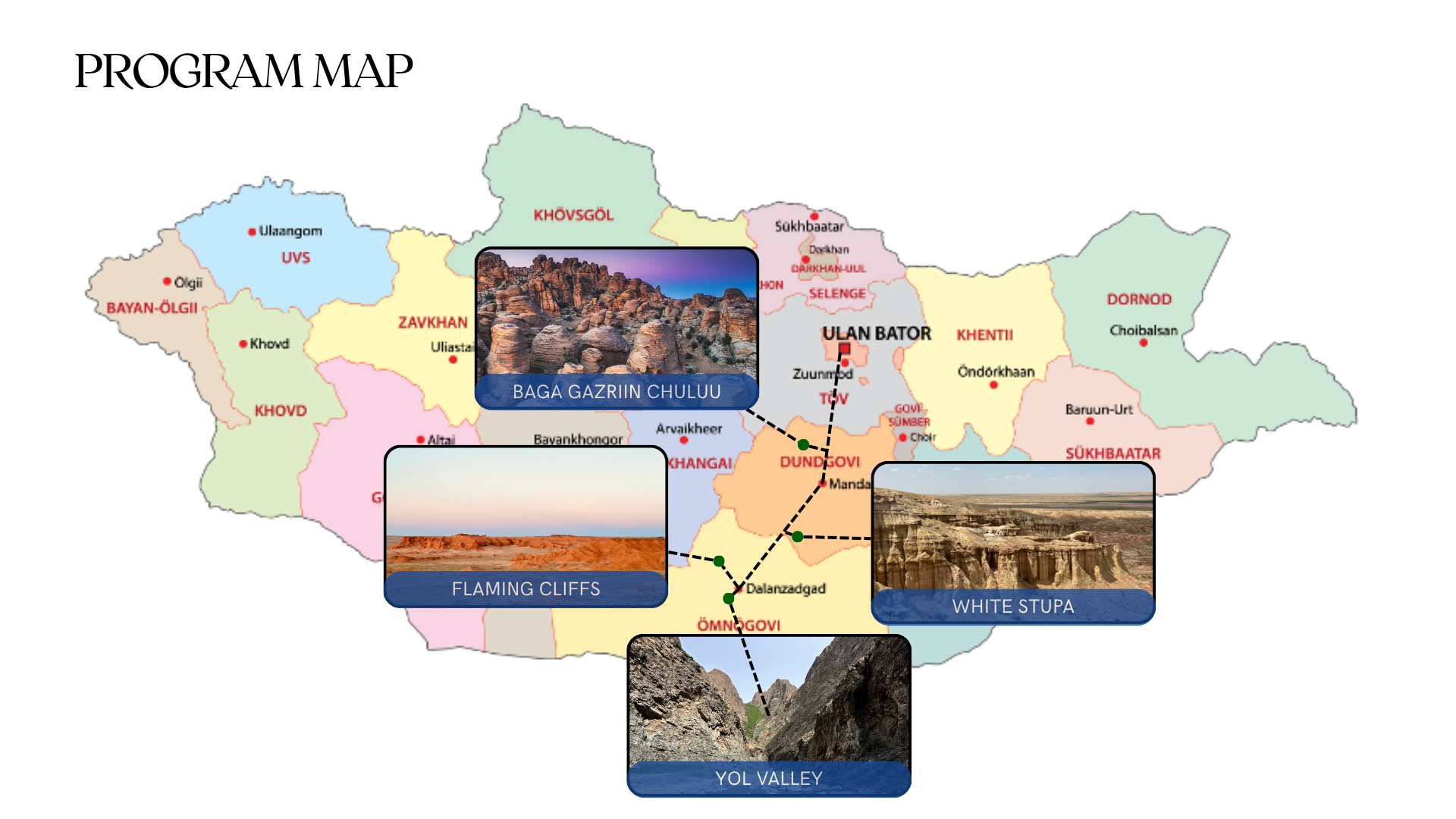
For schools considering school trips to Mongolia, Gobi Field Academy offers a six-day journey built around the land itself. The route moves through White Stupa, Del Mountain, Yol Valley, the Flaming Cliffs, Moltsog Sand Dunes, and Baga Gazriin Chuluu, linking geology, paleontology, ecology, nomadic culture, and environmental responsibility in one program.
Each stop carries part of the learning. White Stupa introduces students to rock formation and erosion. Del Mountain brings in archaeology and early human traces. Yol Valley opens up canyon ecology, microclimates, and biodiversity. The Flaming Cliffs bring students into one of Mongolia’s most important fossil landscapes. The saxaul planting activity connects the journey to desertification and environmental stewardship. Baga Gazriin Chuluu closes the route with a different geological setting and a final field session.
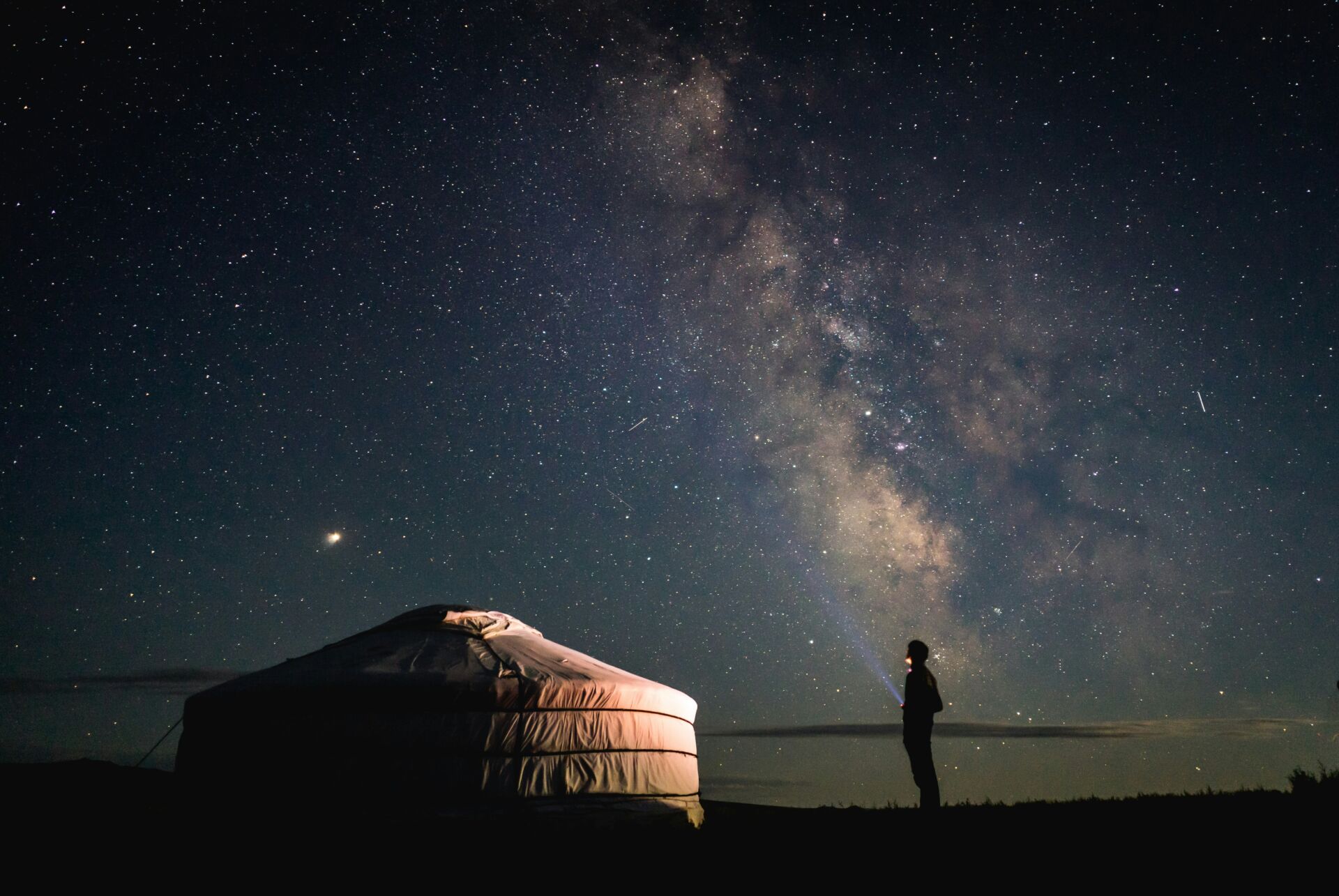
Why the South Gobi Works So Well for Educational Travel
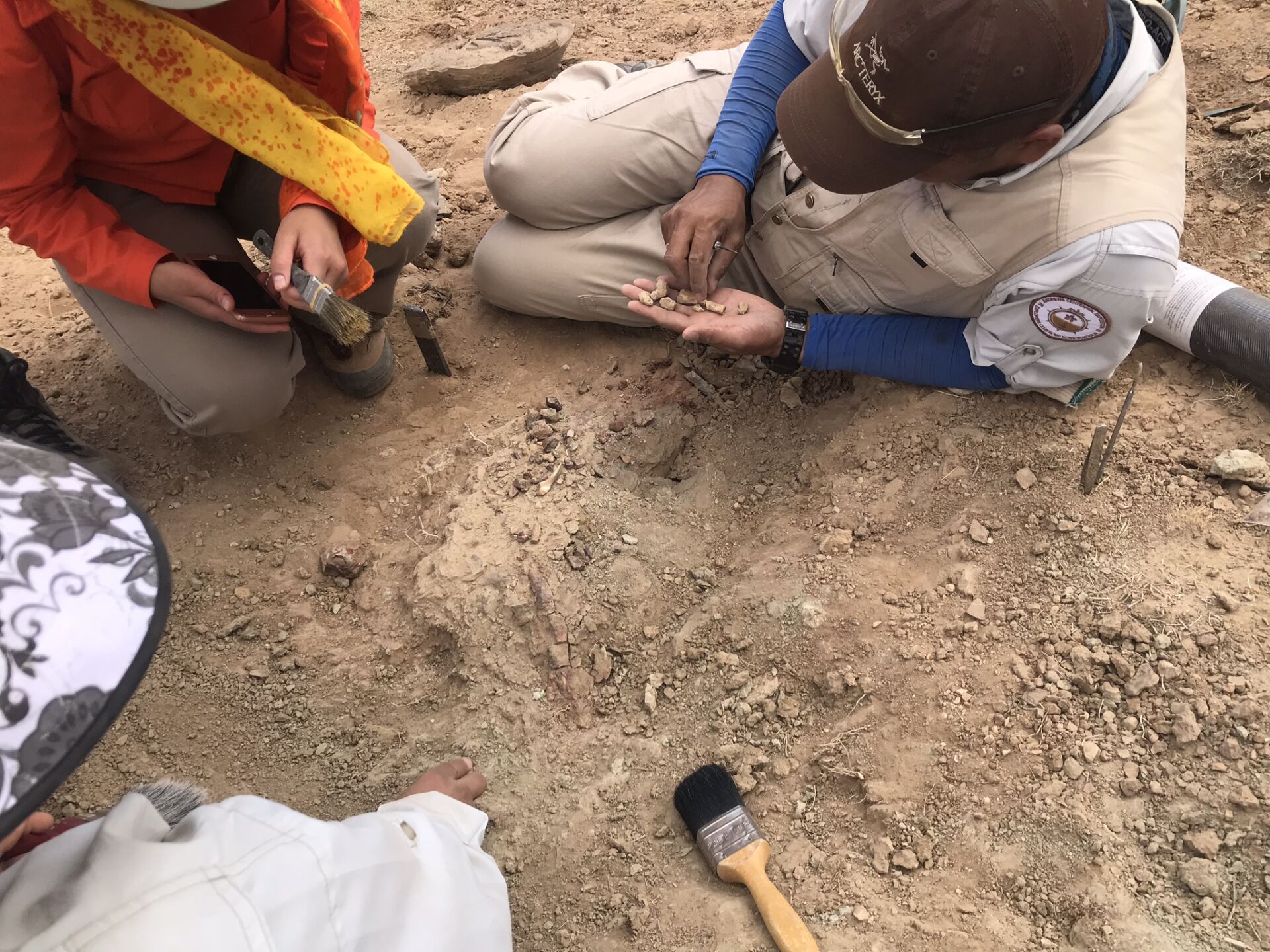
One of the strongest academic parts of the trip is paleontology. At the Flaming Cliffs, students learn how fossils are identified and why the site matters scientifically. A paleontology expert from the Mongolian Paleontology Institute is included in the program and leads a small digging demonstration, giving students a direct introduction to how fieldwork is done. That changes the experience completely. Students do not only hear that dinosaurs once lived here. They see how paleontological work is approached, why field methods matter, and why Mongolia’s fossil heritage is globally significant.
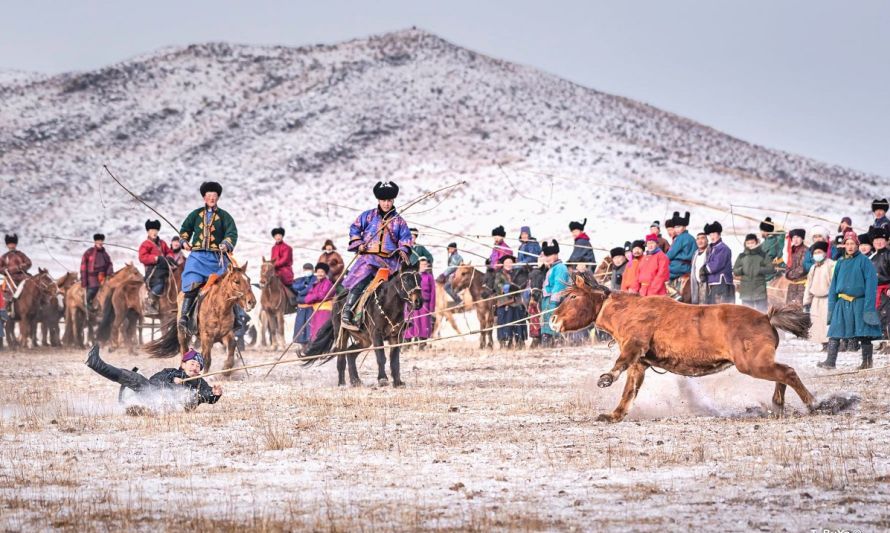
On the second day, students spend time with a nomadic family, observe and take part in dairy work, learn about livestock management, and join a ger workshop focused on structure, insulation, and portability. These are practical sessions. Students see how shelter, food, and movement are shaped by climate and land. Later, at Del Mountain, they look at petroglyphs and discuss early human settlement and survival in the desert. Together, those parts of the route give students a grounded understanding of nomadic culture rather than a simplified or staged version of it.
Learning Through Paleontology, Ecology, and Nomadic Culture
The program is designed around fossil exploration, ecological study, and hands-on cultural engagement. Students visit Bayanzag and the Flaming Cliffs, explore biodiversity in Yol Valley, and take part in nomadic family and dairy activities as well as a ger-building workshop. A paleontology expert can also join part of the journey and lead a small digging demonstration to deepen the academic experience.
A Social Responsibility with Real Educational Value
The program also carries a clear environmental dimension. During the journey, students take part in a saxaul planting activity linked to desertification awareness and sand stabilization. WildMongolia is working with the Department of Environment and Tourism of Umnugovi and its forest division on this part of the program. Students learn why saxaul matters in desert ecology and why desertification is not an abstract issue in the Gobi. They also receive a more practical understanding of what environmental responsibility looks like on the ground. Students can receive a certificate recognizing their participation in the planting activity and their learning around desertification awareness.
A Short Journey Overview
- Day 1: Begins with the drive south from Ulaanbaatar to White Stupa, where students settle into camp, go through a field orientation, and begin with a geology session on sedimentary layers and erosion.
- Day 2: Focuses on nomadic life, dairy work, ger-building, and Del Mountain petroglyphs.
- Day 3: Continues to Dalanzadgad and Yol Valley, where students visit the Gobi Museum of Nature and History before studying canyon ecology and biodiversity in the field.
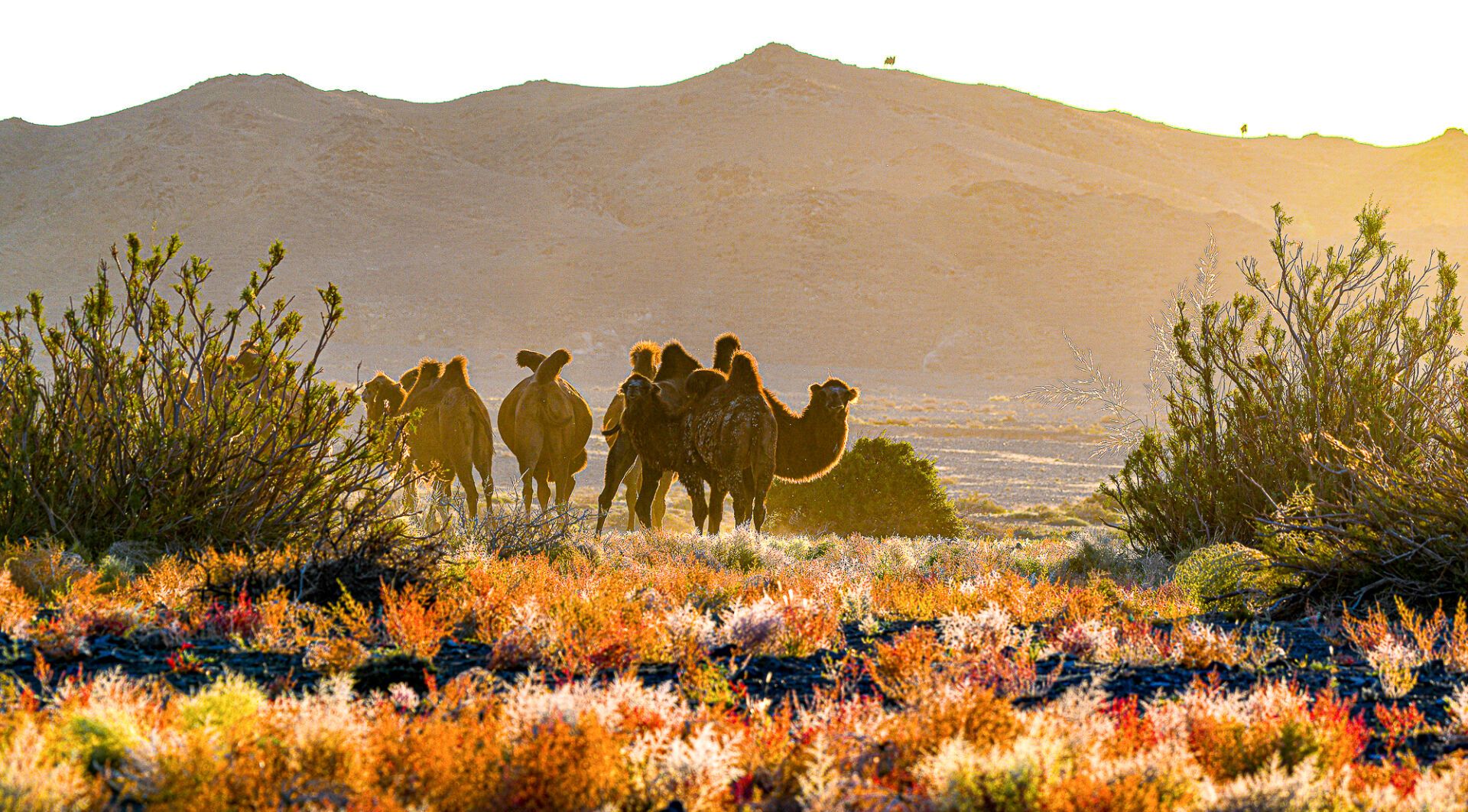
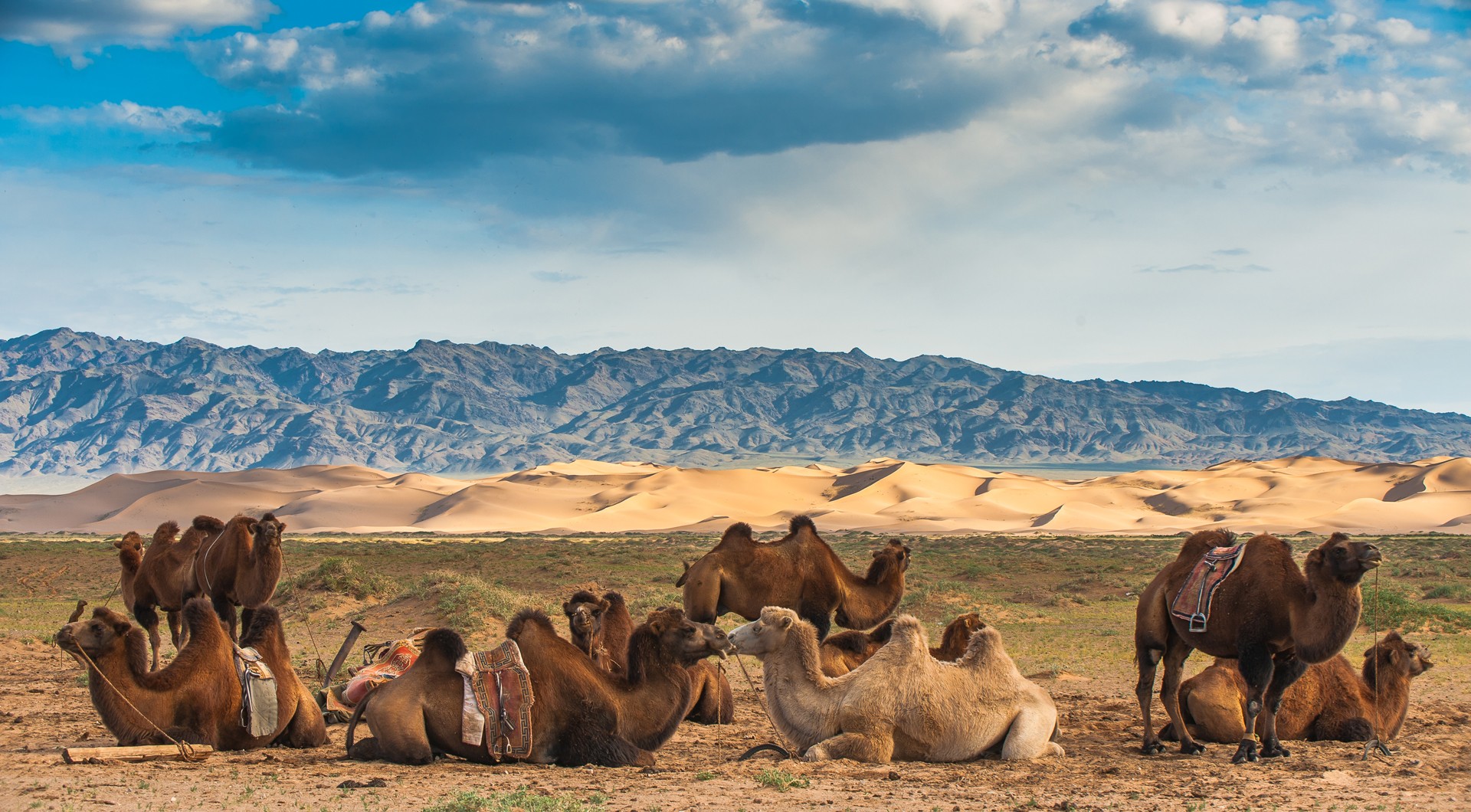
- Day 4: Begins at Moltsog Sand Dunes with camel ecology and continues to the Flaming Cliffs for fossil-site learning and the paleontology demonstration.
- Day 5: Centers on saxaul planting, desertification awareness, and reflection.
- Day 6: Ends with a final geology session at Baga Gazriin Chuluu before the return to Ulaanbaatar.
A detailed itinerary is available on request.
For schools looking at school trips to Mongolia with clear academic content, direct field learning, and a practical environmental component, Gobi Field Academy offers a route that is easy to explain and strong in substance. The main pillars are clear: paleontology with expert input, nomadic culture through direct experience, saxaul planting linked to desertification awareness, and the flexibility to adapt the journey for each school.




Keep In Touch