
How to visit Mongolia in 2026
Mongolia's been on your bucket list but not sure how to start planning your trip? Here's our handy guide on how to visit Mongolia in 2025 and beyond.
For the past 2 years, Mongolia has been on the global travel enthusiasts’ radar, as one of the last unexplored frontiers. From the Gobi Desert to the south to the millennia-old fresh water lake Khuvsgul in the north, to the western mountains that reach for the skies, this sparsely populated country is where travelers feel freedom in its truest sense in direct connection with untouched and picturesque wilderness.
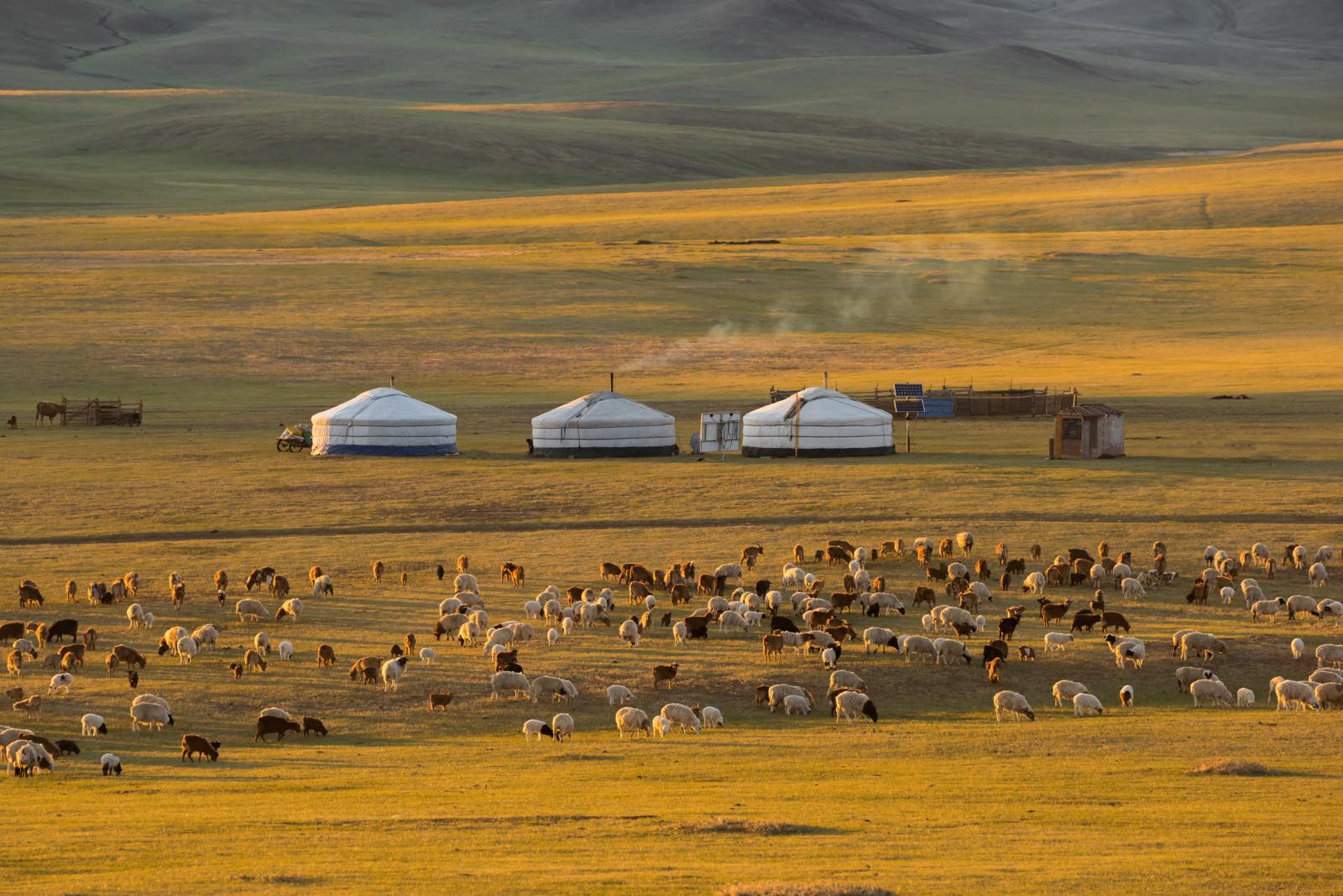
Mongolia’s appeal does not simply end at its natural beauty. With just over 3 million people living on a land area measuring 2.3 times the size of Texas or 6 times the size of the United Kingdom, travelers could drive for hours and hardly see a soul. But when you do, the hospitality and camaraderie is unmatched anywhere in the world. Here, nomads live like they did for centuries, herding livestock, and moving with the seasons from pasture to pasture. They are the inheritors of the deep-ingrained nomadic culture as ancient as the land and passed down from generation to generation.
Here is our guide to visiting Mongolia in 2026 to experience everything we said above, and everything else you may need for your first visit.
1. Visa for Mongolia
Citizens of more than 60 countries may enter Mongolia visa-free. For a complete list, please refer to the Ministry of Foreign Affairs site here.
We recommend you check with your local Mongolian embassy or consulate to confirm the information.
The list of visa-free countries are also listed on the eVisa site.
If you do require a visa to enter Mongolia, you may apply for the visa via eVisa site. While the usual processing time is 3-7 days, please allocate some time for contingencies, and apply two weeks in advance.
2. Entry restrictions & Vaccine requirements
There are no entry restrictions other than the standard visa requirements. No vaccines or vaccine certificates are required, but we recommend that you check with your local healthcare provider for any recommended routine vaccinations for a travel to Mongolia.
3. What to expect at the airport
Arrival at the Chinggis Khaan International Airport follows similar steps as with most international arrivals around the world. If you want to skip the crowds for an express check-out, your WildMongolia travel designer can arrange for a VIP arrival and pick-up service for a fast-track experience.
4. What are the preferred payment methods in Mongolia?
While mobile payments and credit cards are all accepted in the city and urban areas, cash is king for the rest of the country. It is recommended to bring US Dollars or Euros and exchange them in Ulaanbaatar. Mongolia’s official currency is the Tugrik (MNT). Your WildMongolia guide can help you exchange currencies at a local bank.
5. When is the best time to visit Mongolia?
Mongolia has a continental climate with long, cold winters and relatively short summers. Temperatures can range from -30°C (-22°F) in winter to over 30°C (86°F) in summer, with low precipitation mostly occurring during the summer months. That said, the best time to visit Mongolia depends on what you want to experience. Summer and fall are popular with most visitors, as the weather is pleasant and suitable for outdoor activities. Naadam, the nation’s biggest festival and highlights of the summer, take place in July. Autumn months (September- November) are stunningly beautiful with a mixture of orange, red and green covering the landscape. The atmosphere is laid back, with fewer tourists. Golden Eagle Festival in early October is one of the highlights of the season.
Winter and spring are long, from December to May, with the coldest month being January. That is not to say there is nothing to see during this period, with fascinating activities like Ice Festival on the beautiful Khuvsgul Lake and Camel Festival in the south.





Keep In Touch