
Table of Contents
Introducing Our Wonderful Wildlife Team
We have assembled a professional team with diverse skills and comprehensive knowledge to guide you through the most exciting and productive journeys into wildlife and pristine nature.
Among us walk unsung heroes who unreservedly dedicate their time and effort to preserving this incredible native wilderness and imparting its knowledge to future generations. The moments spent walking alongside them, listening to, and experiencing their rich stories are truly beyond words.
Our team includes a professional ranger who has dedicated his entire life to nature, an expert researcher qualified to hold an academic degree in ornithology, and a skilled young hunter and nature enthusiast specialized in the art of tracking and approaching wildlife unobtrusively. Together, our combined experience creates the perfect synergy to offer you a deeply moving, authentic, and unforgettable adventure.
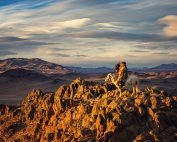
It is impossible to imagine Mongolia—a land of harmonious mountains, waters, and lush vegetation—without its soaring peaks, dense taiga, vast steppe, rolling hills, the Gobi Desert, lakes, rivers and streams.
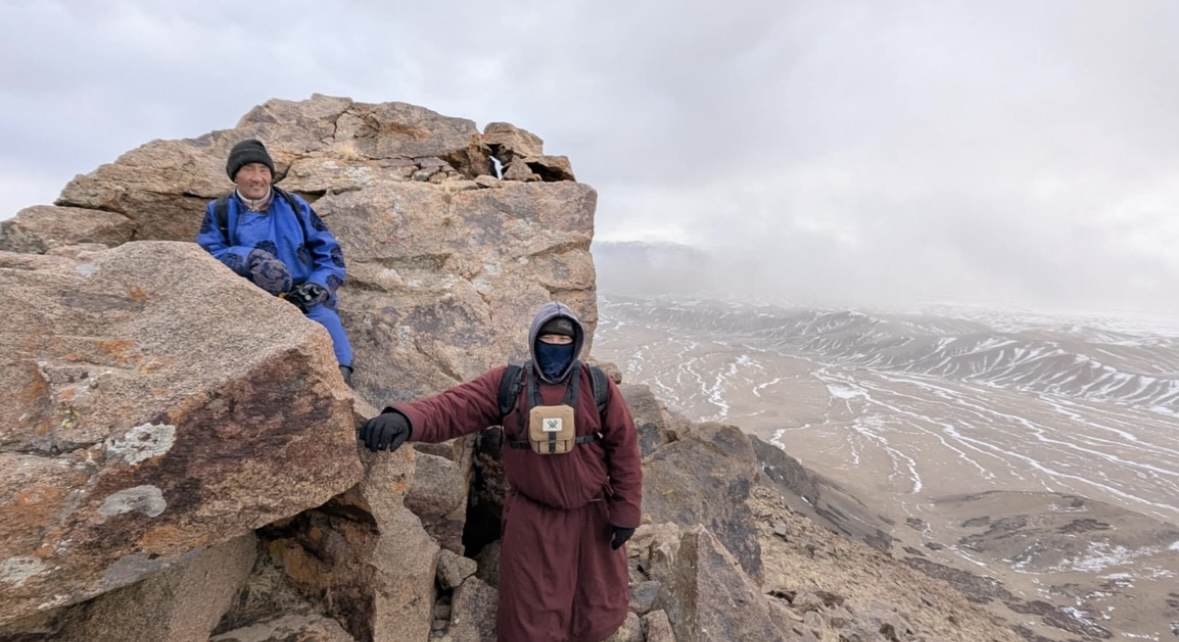
Credit to: Molomjamts Naranzul
Our travel routes are categorized as follows:
- The Majestic Altai Mountains: Gazing back at you from afar with majestic grandeur.
- The Red Taiga Forest: Welcoming you with magnificent, unspoiled beauty.
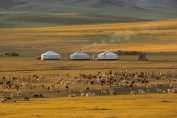
- The Endless Steppes: Caressing you with a gentle, refreshing breeze.
- The Golden Gobi Desert: Glowing with its own mysterious and noble presence through shimmering sand dunes.
Wherever you go, breathtaking landscapes and fascinating wildlife coexist alongside us, living freely in their pristine habitats. The vastness of this land is nature’s own eternal sanctuary, ensuring that no one ever disrupts their peace.
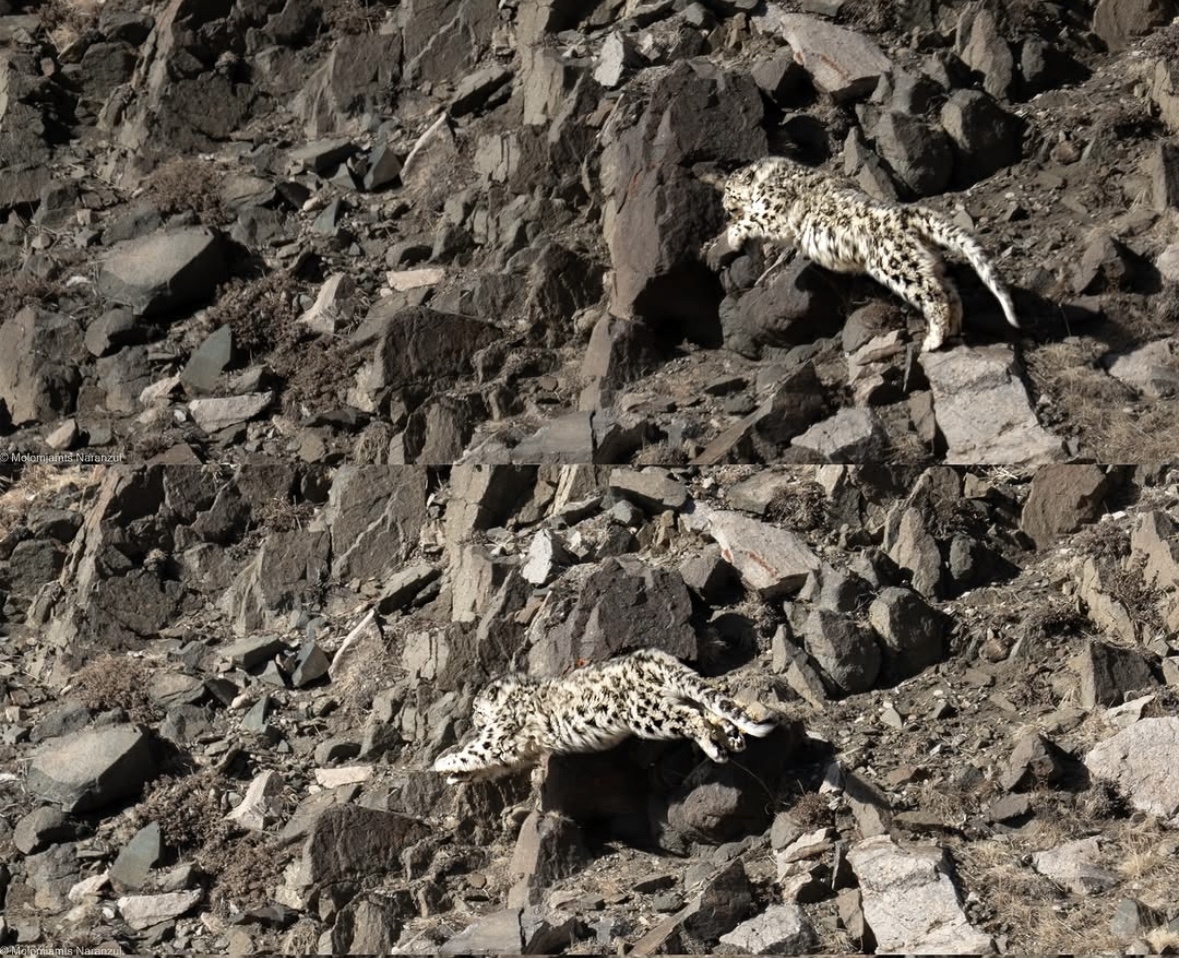
Credit to: Molomjamts Naranzul
Partnering with us to spice up your journey is:
- J. Tumursukh, Ranger at the Red Taiga Strictly Protected Area: If you happen not to know who J. Tumursukh is, we highly recommend watching the documentary Valley of the Bears (2023). Are you ready to hear the fascinating stories of how he intertwined his life with nature?
- Kh. Tumendelger, Gobi Region & Ornithology Specialist: Thanks to his tireless efforts, Mongolia’s leading travel and tourism industry has attained its modern success and identity. No one knows the flyways and trails of birds in Gobi region better than him.
- Y. Aynur, Iron Lady of the Altai: The backbone and brilliant mind of Western Altai travels, bringing top local conservationists and rangers along to guide your expedition.
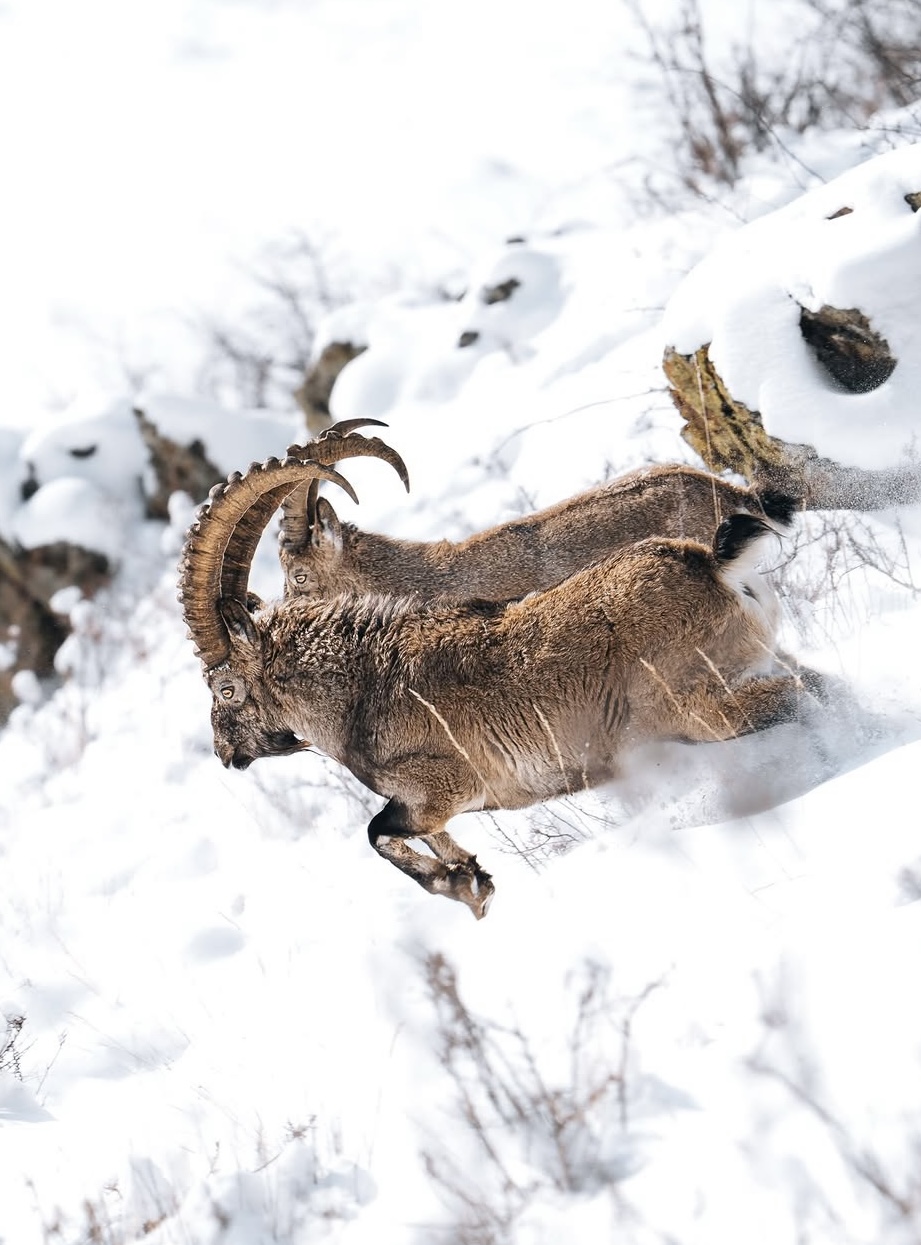
Credit to: Molomjamts Naranzul
The Majestic Altai Mountains:
“As you travel through the Altai Mountains, you can’t help but wonder how these majestic peaks took shape to endure through the ages, and what intense survival of the fittest the wildlife had to brave to make this place their home.”
- Tavan Bogd Mountain: Home to Khuiten Peak (m), the highest point in Mongolia. The peaks of Naran, Olgii, Burged, and Nairamdal also stand side by side in grand majesty.
- Potanin Glacier: Mongolia’s largest glacier, stretching approximately 14 kilometers long.
- Other Majestic Peaks: Tsambagarav (m), Sutai Khairkhan (m), and Monkhkhairkhan (m) are among the other snow-capped peaks that adorn the Altai Mountain Range.
The Altai Mountains, with their majestic high peaks, serve as a vital sanctuary for rare and unique wild animals adapted specifically to the high-mountain ecosystems of Central Asia. Key wildlife species that can be observed and studied when traveling or conducting research in the Altai Region:
- Altai Argali Sheep (Ovis ammon ammon)
“As the largest wild sheep species on Earth, the Argali stands as the ultimate dream destination for big-game hunters worldwide.”
- Snow Leopard (Panthera uncia)
“The snow leopard thrives among the steep cliffs and high peaks of the Altai Mountains, effortlessly blending into the rocky landscape with remarkable camouflage. It stands as a vital indicator of a pure and pristine high-mountain ecosystem.”
- Golden Eagle (Aquila chrysaetos)
“The soaring majesty of the Altai eagle will leave you breathless”. The iconic raptor traditionally trained and used for hunting by Kazakh eagle hunters.
The Red Taiga Forest:
The Khuvsgul Mountains and red taiga are a premier destination for travelers who love scenic landscapes, mountain climbing, and trekking.
Additionally, it is home to the world’s oldest large freshwater lake.
- Home of the Tsaatan (Reindeer Herders): The Red Taiga and surrounding mountain ranges offer a unique journey into the traditional lifestyle of the Tsaatan people, who herd reindeer in the high taiga.
Located in the northernmost border of Mongolia, Khuvsgul’s Red Taiga is a massive living oasis featuring dense larch, fir, and spruce forests, high alpine peaks, and pristine river basins. Traveling through this untouched wilderness offers the rare privilege of not only admiring natural beauty but also witnessing world-endangered wildlife and following in their footsteps.
- Brown Bear (Ursus arctos)
“It is encouraging news that the population of the brown bear—the undisputed king of the dense forests—is steadily rising, though their growing numbers mean they are sometimes seen venturing closer to local homes in the lowlands”
- Maral deer – Siberian Elk or Altai Wapiti (Cervus canadensis ssp. sibiricus)
“Listening to the echoing call of a Maral stag and catching a glimpse of it in the autumn mountains feel like stepped straight into a fairytale. According to Mongolian mythology, the nation traces its sacred ancestry back to Börte Chono, the wild wolf, and Gua Maral, the majestic doe.”
- Siberian Musk Deer (Moschus moschiferus)
“With its mythical presence and captivating scent, this elusive creature stands as a true jewel of the majestic forest.”
- Taimen (Hucho taimen)
“Known as the “Tiger of Freshwater,” the world’s largest salmonid species inhabits the crystal-clear waters. Mongolia enforces strict 100% catch-and-release fly-fishing regulations for taimen to preserve the species. Anglers must use barbless single hooks.”
The Endless Steppes:
Mongolia’s vast steppes and desert-steppe zones are home to a diverse array of species, including globally endangered wildlife and animals uniquely adapted to Central Asia. The iconic wildlife inhabiting the Mongolian steppe:
- Grey Wolf
“Revered as a sacred creature of the Eternal Sky, the grey wolf stands as the ultimate symbol of endurance and wild freedom across the Mongolian steppes.”
“It is a chapter of the legend foretold in ancient lore.”
The role of the wolf on the steppe is that of nature’s cleaner and balance keeper—crucial to the ecosystem.
- “White Tailed Gazelle (Procapra gutturosa)
The pride of the Eastern Mongolian Steppe and one of the last remaining great migratory species of Mainland Eurasia. Population over 1.5millions.
Capable of reaching speeds up to 80 km/h, these gazelles migrate in massive herds of tens of thousands, covering over 1,000 kilometers annually in search of pasture and to escape severe winter conditions (Zud).
- Marmot (Marmota sibirica):
A keystone species of the steppe ecosystem. Their burrows aerate the soil and provide shelter for birds, reptiles, and small predators. Additionally, marmots serve as a primary food source for raptors, golden eagles, vultures, foxes, and Pallas’s cats.
“The enchanting tales surrounding this creature will surely captivate your heart and charm your senses.”
- Birds in Steppe
“Garnishing the endless skies, the birds of the steppe—from the iconic Saker falcon to the elegant crane—bring song, spirit, and life to Mongolia’s sweeping horizons.”
Demoiselle & White-naped Cranes: Revered by nomads as heralds of peace and longevity, their hauntingly poetic calls echo across the steppes each spring and autumn.
Saker Falcon: Mongolia’s national bird—a swift, relentless hunter whose razor-sharp wings symbolize the courage and spirit of historic warriors.
Steppe Eagle & Buzzard: Guardians of the open skies, these apex raptors maintain the delicate ecological balance across the grasslands.
Swallow: The cherished bird of spring and ancient myth, bringing blessing and harmony to every nomadic hearth.
The Golden Gobi Desert:
Mongolia’s Great Gobi is the world’s last remaining sanctuary for extremely rare wildlife adapted to a harsh, continental climate.
Iconic & Globally Endangered Gobi Wildlife
- Gobi Bear / Mazaalai (Ursus arctos gobiensis)
The world’s rarest bear species. Perfectly adapted to the harsh desert environment, its diet consists mainly of oasis roots, desert vegetation, and insects. It survives exclusively in small numbers within the Mongolian Gobi (Great Gobi Strictly Protected Area). The current estimated wild population of the critically endangered Gobi Bear (Mazaalai) is approximately 30 to 50 individuals, making it the rarest bear species on Earth.
- Wild Bactrian Camel / Khavtgai (Camelus ferus)
The last native stronghold of the wild camel. Slender-humped and smaller-maned than domestic camels, this remarkably resilient creature is capable of drinking saline and brackish water. Mongolian Population: Approx. 450 – 500 individuals inhabiting the Great Gobi Strictly Protected Area (Zone A).
- Mongolian Wild Ass / Khulan (Equus hemionus)
The Asian wild ass roams the vast Gobi plains and dry riverbeds in herds numbering in the hundreds, migrating great distances in search of grazing pasture and water holes.
“Khulan’s Wells” (The Ecological Engineers of the Desert): In the arid Gobi environment, the Mongolian Wild Ass (Equus hemionus) acts as a vital ecosystem engineer. Using their hooves and muzzles, Khulans dig down up to a meter into dry riverbeds to access subterranean water. Known as “Khulan’s Wells,” these hand-dug waterholes serve as life-saving drinking sources for numerous other desert species, including Black-tailed Gazelles, Argali sheep, Pallas’s cats, and various native birds.
- Black-Tailed Gazelle (Gazella subgutturosa):
An elegant gazelle inhabiting dry washouts, escarpments, and mountain foothills. Unlike the white-tailed gazelles of the eastern steppe, they form smaller herds and are easily identified by their distinct black tail.
- Gobi Ibex (Capra sibirica hagenbecki)
“Sailing across precipitous desert cliffs with effortless grace, the Gobi Ibex—the true phantom of the arid peaks—stands as a symbol of wild resilience in Mongolia’s southern mountains.”
In summary, joining us guarantees a journey across an unimaginably vast and sacred territory—where you can watch free-roaming wildlife and follow the footsteps of ancient history stretching back thousands of years.







Keep In Touch