

WildStories: Heesco, Street Artist
Mongolia is more than just unexplored wilderness, vast open steppes and horse-riding nomads. As the saying goes, it's the people that make the place. We present our WildStories series where we provide a glimpse into the lives of everyday Mongolians, full of grit, courage, passion and humor, to show what makes Mongolia fascinating, interesting and worth visiting.
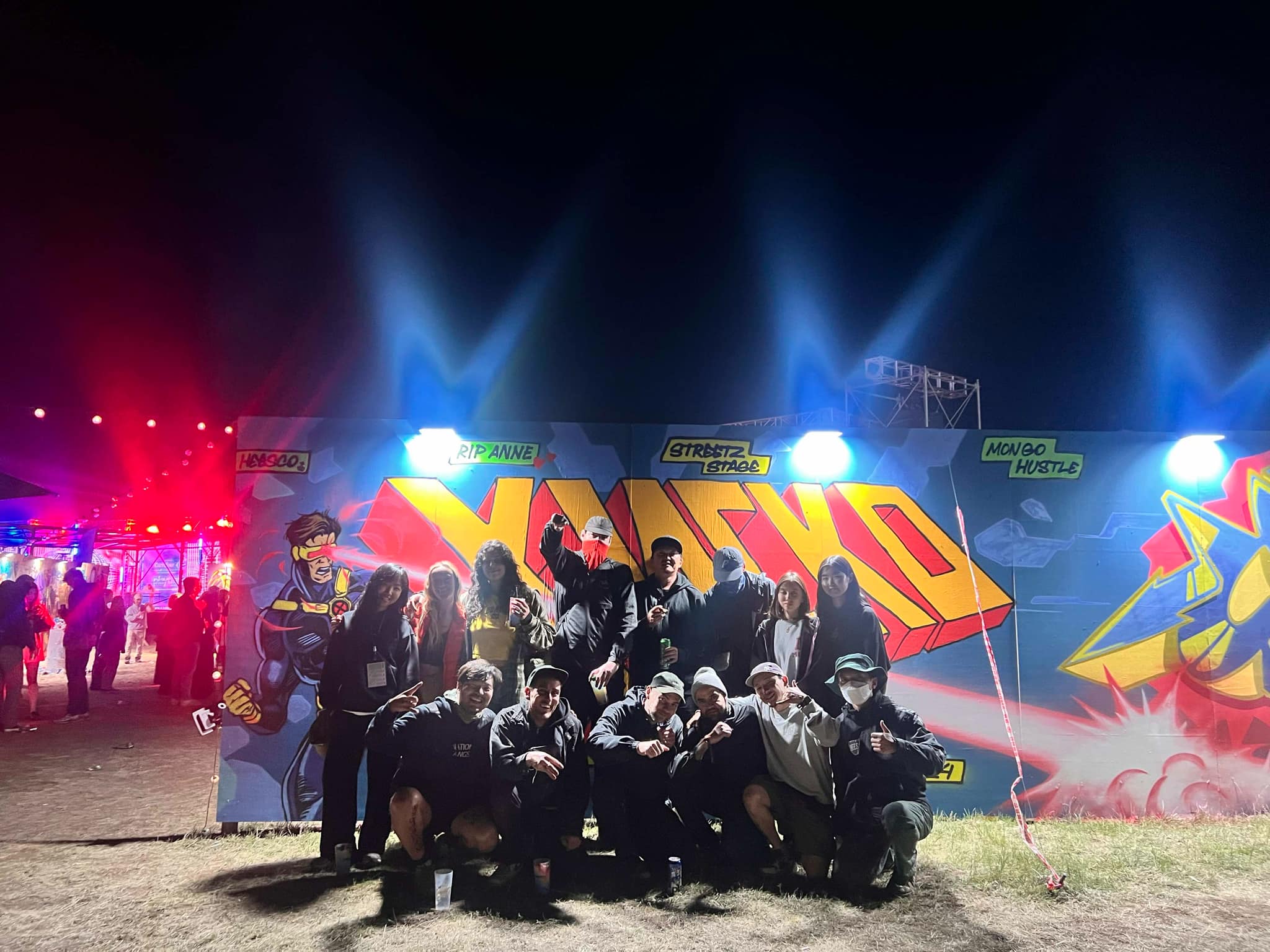
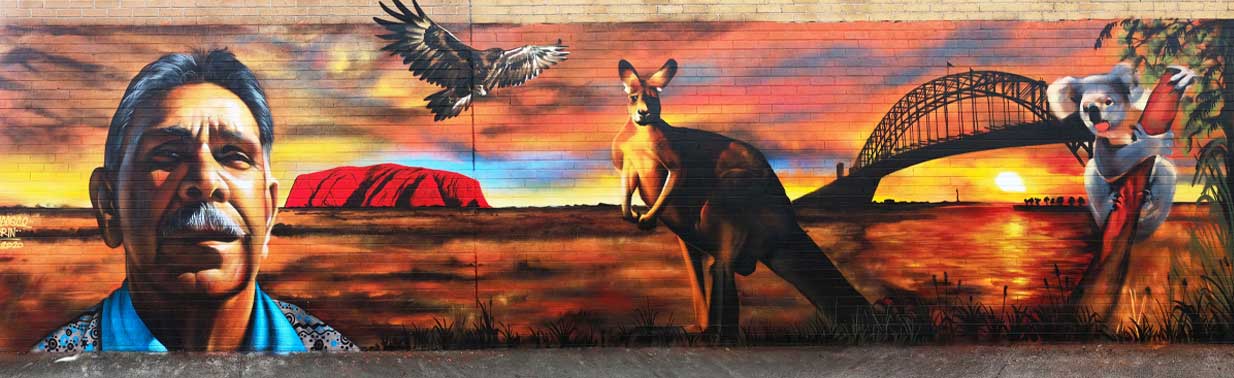
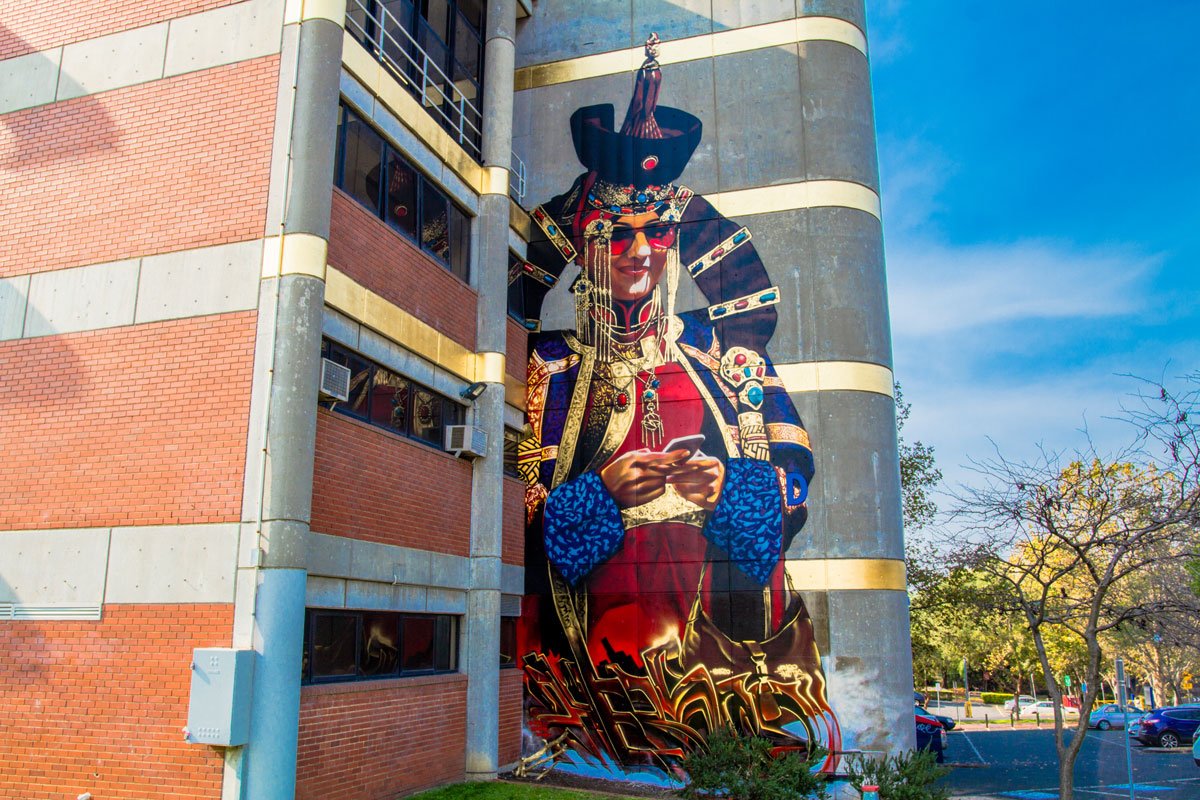
While he left Mongolia for Australia to pursue his artistic path more than 20 years ago, Khosnaran, better known by his artist name Heesco, has never really left. He is ever-present through the many public artworks he does, from larger-than-life portraits of influential hip hop artists on walls that line Ulaanbaatar, to the tender depiction of a mother nursing her newborn on the side façade of a maternity hospital in south Gobi. Before he started championing visual arts in the Mongolian public domain, he was serving as Mongolia’s self-appointed cultural ambassador in his adopted home of Australia, adorning walls with stark, eye-catching murals of Mongolian queens in traditional attire, sporting sunglasses and an attitude to match. Over the years, he has built up a reputation in Australia and beyond for his work. One of his latest feats is Yarram, a small but vibrant township in Victoria, Australia. Heesco and a group of friends turned the town into a living museum, painting the community’s celebrated figures and historical events on the multitude of buildings across the town. A project 4 years in the making, dubbed Heescotown, the result is both an impressive artistic achievement and an ongoing loving community service. Today, Heesco lives in Melbourne, Australia with his wife and two daughters. He comes back to Mongolia every summer and spends a busy and prolific month curating Playtime Festival’s Streetz stage with fellow artists, painting murals in Ulaanbaatar and in rural towns, including Khanbogd, Umnugovi, his father’s hometown.

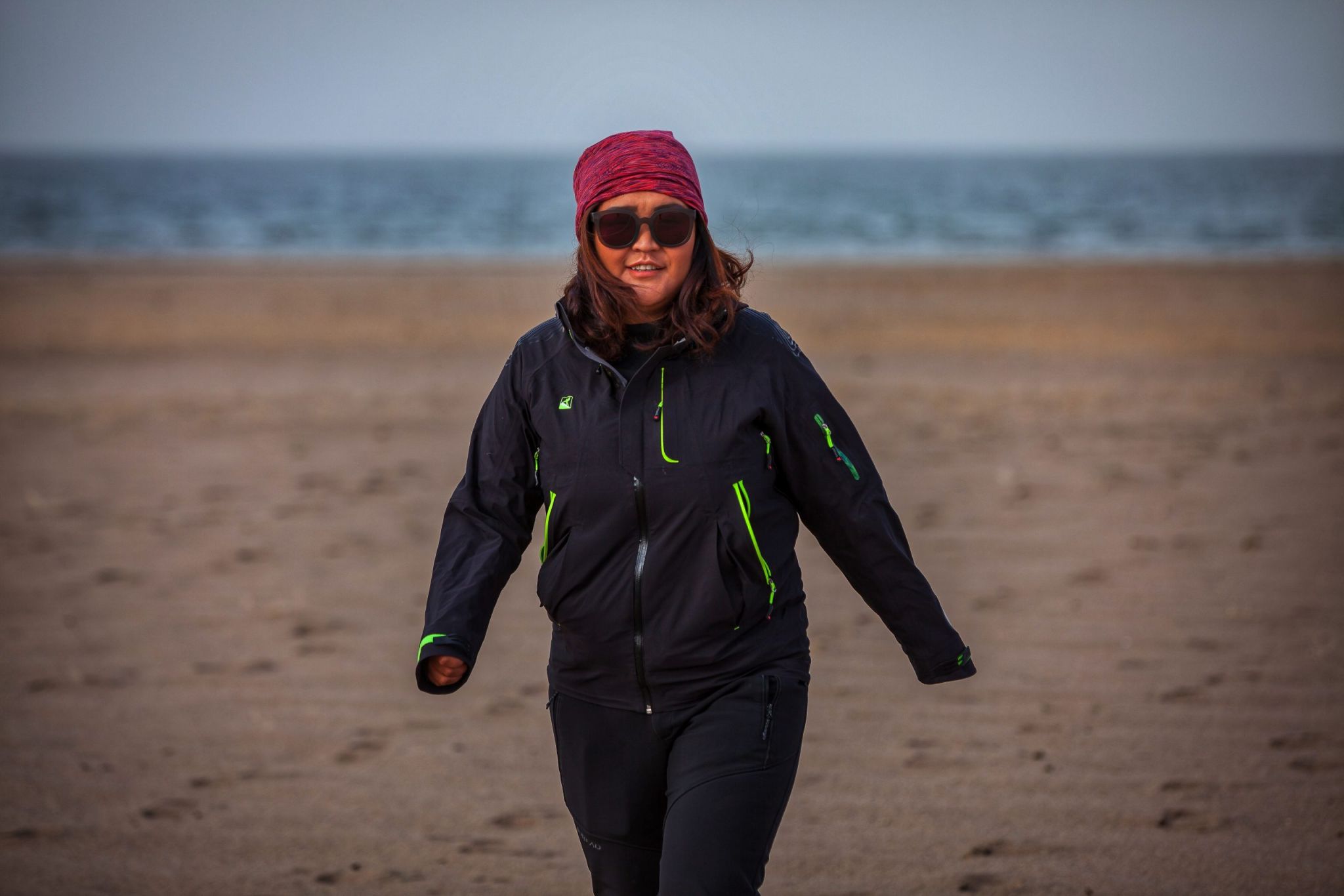
Heesco aka Khosnaran Khurelbaatar
Photo by Tamir Bayarsaikhan
1. Can you tell me about your childhood and how it shaped who you are today?
I was born and raised in Ulaanbaatar. We moved around to different parts of the city a few times during my childhood, so I grew up quite familiar with the city neighborhoods. The summers were always spent with grandparents on the outskirts of the city in their tiny holiday house with my sister and cousins. We used to have a whole forest in our disposal to roam around and have adventures in, and I always valued this part of my childhood as it helped shape who I am today, namely the curiosity to push through the unknown and exploring the natural world, having to create our own fun without much adult supervision.
2. What does being Mongolian mean to you?
Throughout my adult life in Australia, being Mongolian meant being different, resilient, and adaptive. Our ancient history and culture always brought an aura of curiosity and appreciation from the people I would encounter, and in turn this made me value and study my own heritage and culture as I gradually became a ‘go-to’ person for anything Mongolia related in Australia, which in turn helped shape me to be a somewhat better Mongolian. However, each time I come back to Mongolia, I’m always greeted with the feeling of familiarity and homecoming, and of belonging. It is wonderful to see the ever-evolving youth of Mongolia and I strive to be a role model of some sorts towards this new generation of young Mongolians and help redefine what being a Mongolian means in this day and age.
3. What has been the most significant challenge you’ve faced, and how did you overcome it?
I suppose becoming a full-time artist in general must have been one of my biggest challenges. Regardless of the location and situation, leading a life as a professional artist has always been a tough gig, and the 1990’s Mongolia of my youth didn’t present us with great choices in terms of career in the creative industry, which led me to pursue my passion abroad. After more than 2 decades of pushing my art career, it is undoubtedly a great feeling to know I’m making it work and am able to support my young family through my art. I suppose I overcame the challenges by being persistent and not ever giving up on my dream despite all the hardships that come with moving countries and starting afresh without much support from friends and family. It’s a hard game of both mental and physical stamina, but once you pass the so-called “hard mile”, it definitely gets easier and you start reaping the fruits of your hard work, I think.

(edit: Heesco’s family, from his late father’s side, consists of Umnugovi natives from Bulgan and Khanbogd soums. The province holds a special place in his heart, and is home to many murals and hidden gems).
4. Can you share a moment that profoundly changed your perspective on life?
I believe it would be when I first tried out meditation. When I moved to Australia in my early 20s, I was struggling financially but also the tension of the new life away from friends and family started to take its toll and I think I was beginning to spiral out a bit. But after a suggestion from my Tibetan friend and colleague, I began to practice meditation, and it gradually had a very positive effect on my general outlook and perspective on life. It had a lasting effect on me personally, even though I don’t practice meditation regularly, through this practice and the awareness it fostered inside me I think I was able to function better and ultimately become a better person in general.

5. Who has been the most influential person in your life, and why?
This is a tough question, as it is simply impossible to name one such person, without also mentioning hundreds of others! If I was forced, then I would say it was my mum. She has instilled in me a great moral compass, an unwavering sense of right and wrong without which I don’t think I would’ve survived this far.
As an artist, however, I have set out for myself early in my career to not idolize any one particular artist or person, but study and learn from everyone. The way I see it, art has no limits and should be practiced with a sense of abundant freedom. The mind should follow the heart and create without too much influence from one or another source, and instead find our own unique voice and vision.

6. What’s a dream or goal you’ve pursued, and how has it evolved over time?
A number of years ago I have set out a goal for myself to reconnect with my Mongolian roots and get actively involved in helping develop visual arts in Mongolia. This pursuit has pushed me to explore and eventually get involved in a variety of new fields not only within the arts realm but also in the area of community and charity work through Lantuun Dohio NGO. My small efforts to support this charity organization that works exclusively in the field of protection and development of underprivileged children in ger districts led me to be appointed their first Ambassador. Fast forward 5 years today I’m the President of Lantuun Dohio Australia through which we raise annual funds to provide, among others, free Child Psychologist services at Magic Mongolia Centres run by Lantuun Dohio Mongolia.

7. How do you contribute to your community, and what does it mean to you?
My main art form is in a public domain, so by default my career has steered me towards community work. Each new location for my murals demands me to undertake research into the local community and the history and their unique significance and quality, regardless of where I am, this process allows me to get insight into each community to contribute in a meaningful way in the form of public murals. When it succeeds, I can see how it transforms the community and uplifts their spirits and inspires the younger generations. I guess this element of my work keeps me interested and motivates me to do more, and in a way gives it a solid meaning backed by results.
8. What’s a life lesson you’ve learned that you think everyone should know?
I guess the best life lesson I learned was the importance of becoming a functioning adult. For a creative person, their art and craft are usually the priority in life. Perhaps because we tend to live inside our heads as ‘daydreamers’, in some ways we tend to get detached from routine daily life matters. After becoming a parent I learned many valuable life lessons, including how to manage my time more efficiently, plan and budget ahead and problem solve till there’s nothing to solve. All this eventually led me to become a proper professional in my field.
9. How do you find peace or happiness during difficult times?
For an artist, our art practice is our meditation and through our creative process we find solutions and perhaps the emotional resolve to difficult situations. It is, however, common for artists to experience a ‘creative block’ or a ‘burn out’ and these situations are very troublesome. I think it’s important for artists to develop a certain strategy or a set of activities that can help overcome these situations, as when not treated properly they can cause debilitating consequences to a person and damage their careers. I personally advocate for meditation as it helps in many ways. Going out into the real world, experiencing life outside my comfort zone, attending a live music concert or reading a good book all work too.
10. What are your hopes and dreams for the future of Mongolia?
I hope Mongolia keeps developing at this pace, as it is simply unbelievable how far we’ve come in my lifetime. But I also hope we find the right solutions to the myriads of problems that surround life in the capital city, namely the infrastructure problems in the ger districts.
11. And lastly, what are some places you recommend visitors see in Mongolia?
There are plenty of places in Mongolia that I would say are a ‘must-see’. Khuvsgul lake, Menengiin Tal (Menen Steppe), and the Gobi Desert top my list. Menen Steppe and Gobi Desert, while somewhat different, are just these vast open spaces that can’t be found anywhere. It’s mind-boggling to be there. You have to see it to know what it feels like. Khuvsgul Lake is special for this great body of water, the climate and the rich ecosystem around it. There even the air feels different somehow.
#WildStories #WildMongolia




Keep In Touch