
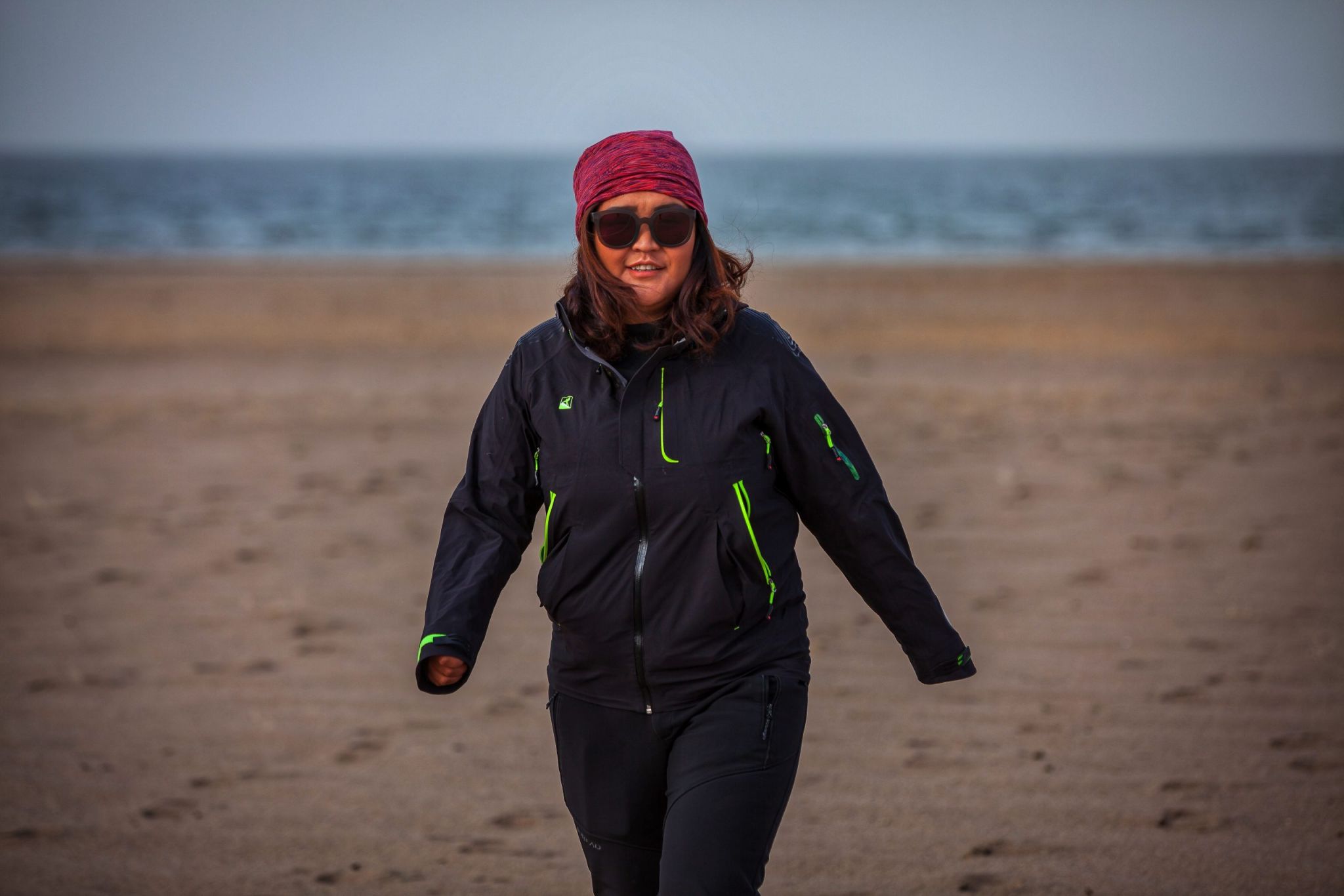
WildStories: Meet Munkhnaran, aka MG, of WildMongolia
Mongolia is more than just unexplored wilderness, vast open steppes and horse-riding nomads. As the saying goes, it's the people that make the place, and in this case, it's the people that make WildMongolia. As a part of our WildStories, we interviewed our very own MG, our resident travel expert and an all-around interesting persona.
When I first met Munkhnaran, aka MG, in the winter of 2023, she was an English teacher at a public school in the middle of the Gobi. During the pandemic, guides and tour leaders around the world had to be resilient and switch professions. For many in non-English speaking countries, teaching English became a logical transition, but in the case of MG, she took it a step further outside her comfort zone. For a city-born girl who had never lived in the Gobi, albeit a seasoned guide who'd made her rounds all over Mongolia, moving to a remote soum of Umnugovi for three years to teach English at a public school of 40 students was a daring decision prompted by a simple invite over a telephone call. The school was looking for an English teacher, and MG answered. Within a week of the phone call, she was in Bulgan, Umnugovi.
Having spent more than 15 years as a tour guide, MG is WildMongolia's go-to expert for travel design. She worked as a guide for the prestigious Explorers Club's (Hong Kong Chapter) Roy Chapman Andrews Centennial Expedition in 2018, took international business tycoons from the CEO club to the Gobi Desert, brought YPO members to ger districts around the city, and led countless trips all over Mongolia, turning travelers into unofficial ambassadors of Mongolia by the end of their trips.
An avid traveler herself, she has traversed Mongolia up and down, and makes it a point to see a new place every year, whether it is in Mongolia or overseas.
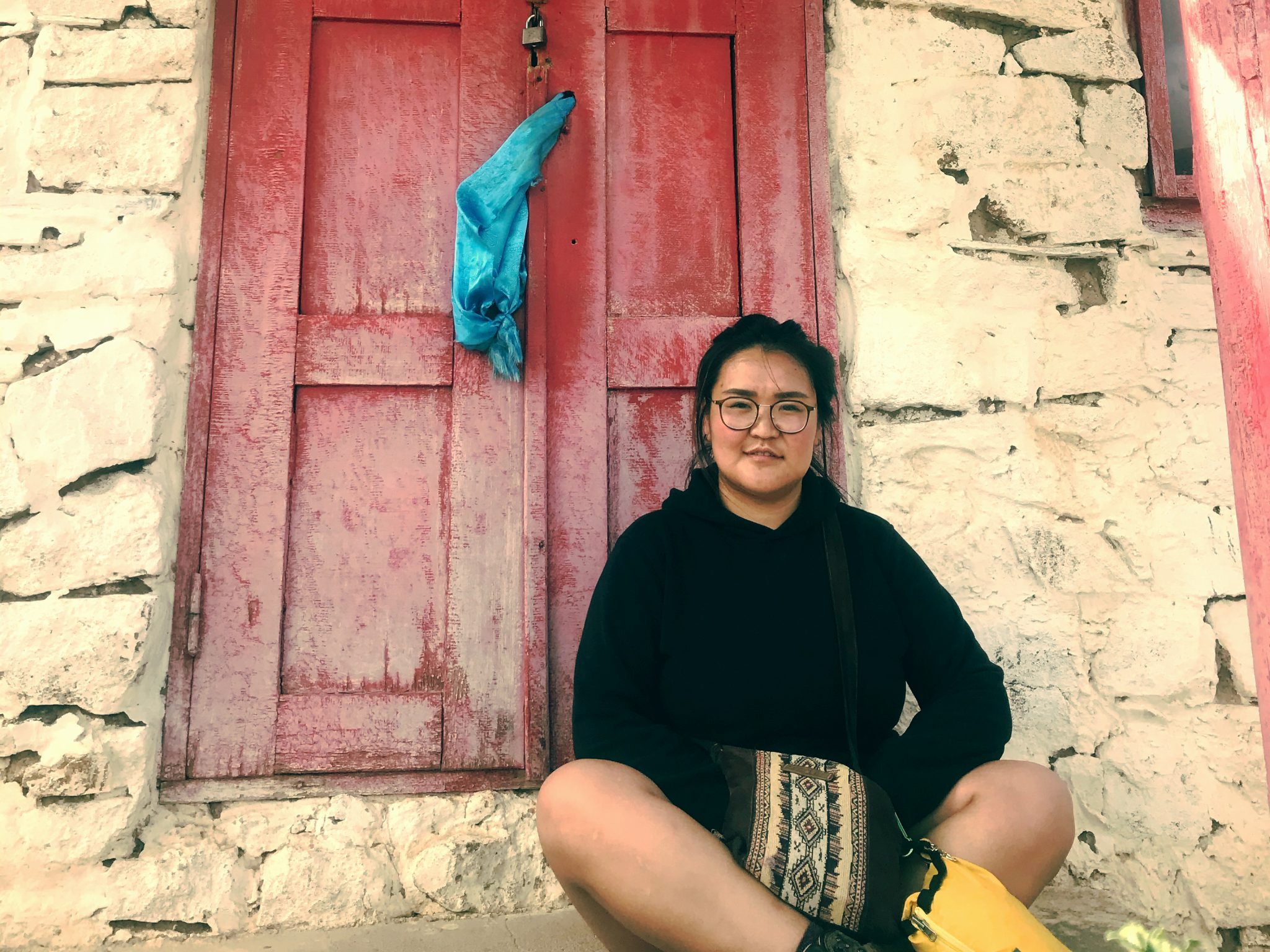
1. How did you get into the travel industry?
I think my path to tourism started with the small step of choosing to study English in 5th grade. As there were too many students who wanted to study English over Russian, we were assigned at random by our teacher. This blind lottery was the butterfly effect that defined the direction of my life so far. After completing secondary school, I volunteered as a translator and a guide for Christian volunteers, who were doing free medical check-ups in various provinces around Mongolia. This is when I got a taste of what it was like to be a guide and enjoyed the experience. Immediately afterward, I enrolled in a workshop for guides. The first question they asked in the selection process was "Can you ride a horse? Have you lived in the countryside?". I was born and raised in Ulaanbaatar, but I had spent all my summers with my grandparents in the countryside who'd retired there to become herders. This is where I learned to ride horses, herd sheep, and all the details of a nomadic herder's daily life. So, for me, taking travelers out to the countryside to show how people live was a familiar territory.

2. What was your first experience as a guide?
The very first trip I guided fresh out of training (almost 20 years ago) was for an English-Hungarian couple on their honeymoon. The husband, an Englishman, was a vegetarian. Vegetarian food, understandably, is not easy to come by in the countryside. I brought a vegetarian cookbook and cooked vegetarian food for the couple for the entire 5-day trip myself in the nomadic family's ger. It was a baptism by fire, but I survived, and the guests left happy.

3. What is the most memorable travel experience you've had in Mongolia?
As a person working in travel, I and a group of friends in the same field, make it a point to travel and discover new places across Mongolia. The most memorable experience I had was to Numrug Specially Protected Area in Dornod province. It's a remote area on the eastern edge of Mongolia where few travelers go. Nearby is Khalkh river, where the Mongolian and Soviet joint forces fought the Japanese during World War 2. There's a monument there for the ninety fallen heroes, unnamed soldiers. Many of us know about it through a poem we often had to memorize for literature class at school, but few of us go there to view this near-forgotten monument. The poem says the path to the ninety heroes would never fade, but it felt sad and profound to see it was otherwise in reality.
This area is also home to the Manchurian moose, also called deer moose due to the unique antlers that resemble deer antlers more than moose antlers with the large palm surface. The group of us camped out in tents the entire time. It's always great to travel with friends and this was one of those special travel experiences due to the company and the overall vibe of the group.
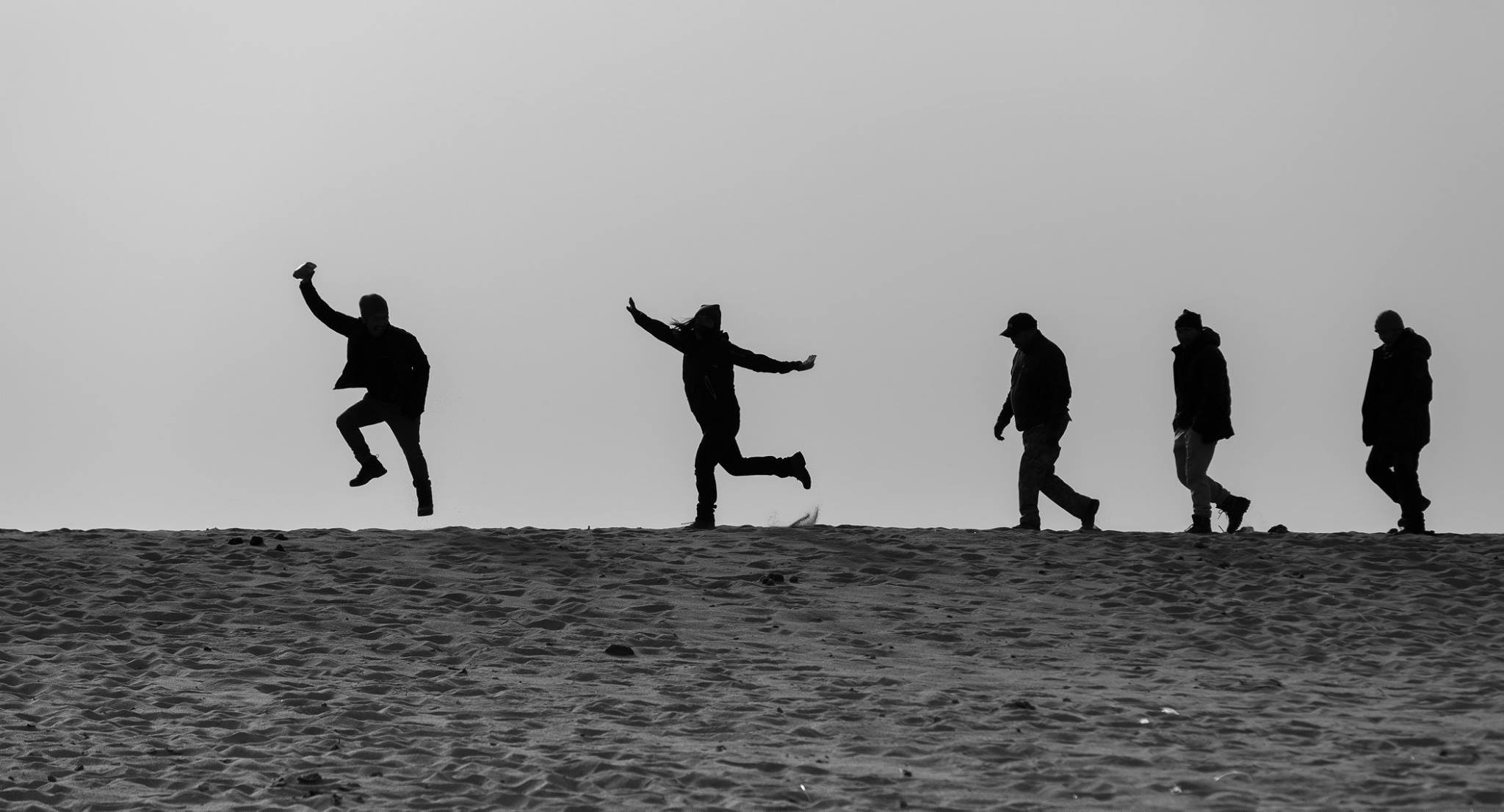
4. If you had time to take visitors to only one place in Mongolia, where would you take them?
Elsen Tasarkhai in central Mongolia. It's where you can see many of the unique cultural and natural features of Mongolia in one place. You have the sand dunes of the Gobi, you have the steppes of Khangai, rivers and so on. You can ride horses and camels. This is a unique place that showcases all the diverse nature and customs of Mongolia.
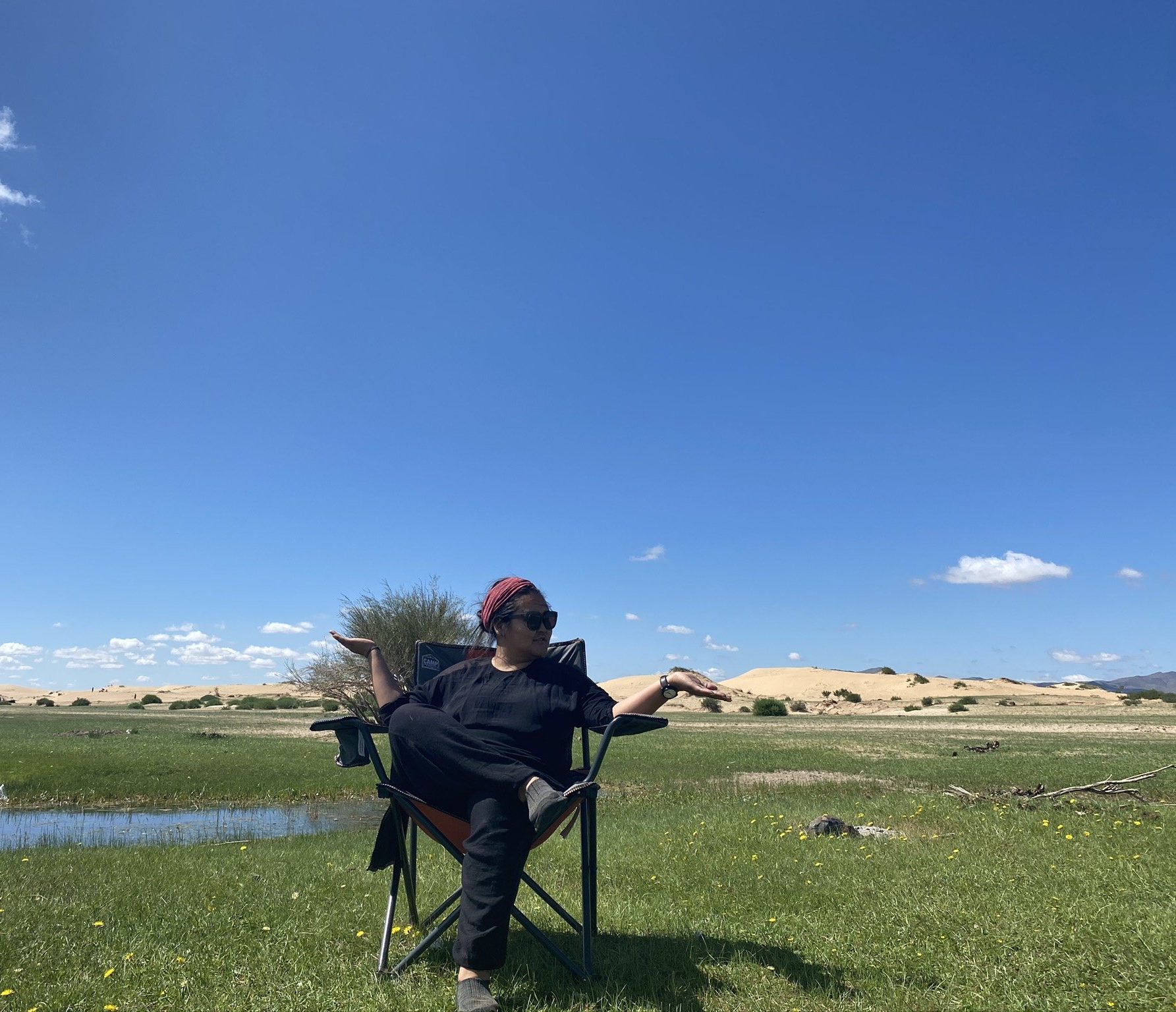
5. Tell us about your time teaching English at a school in south Gobi
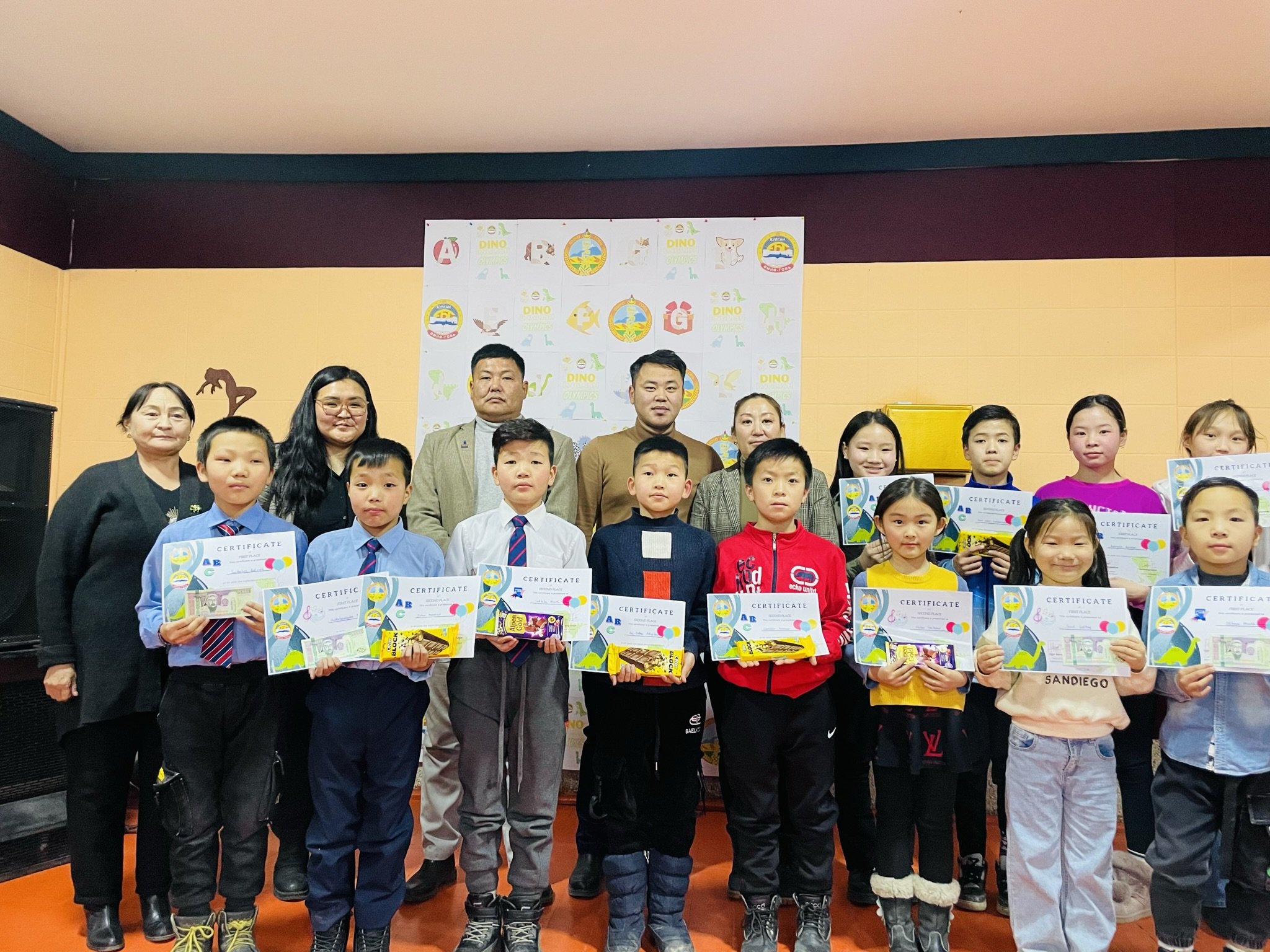
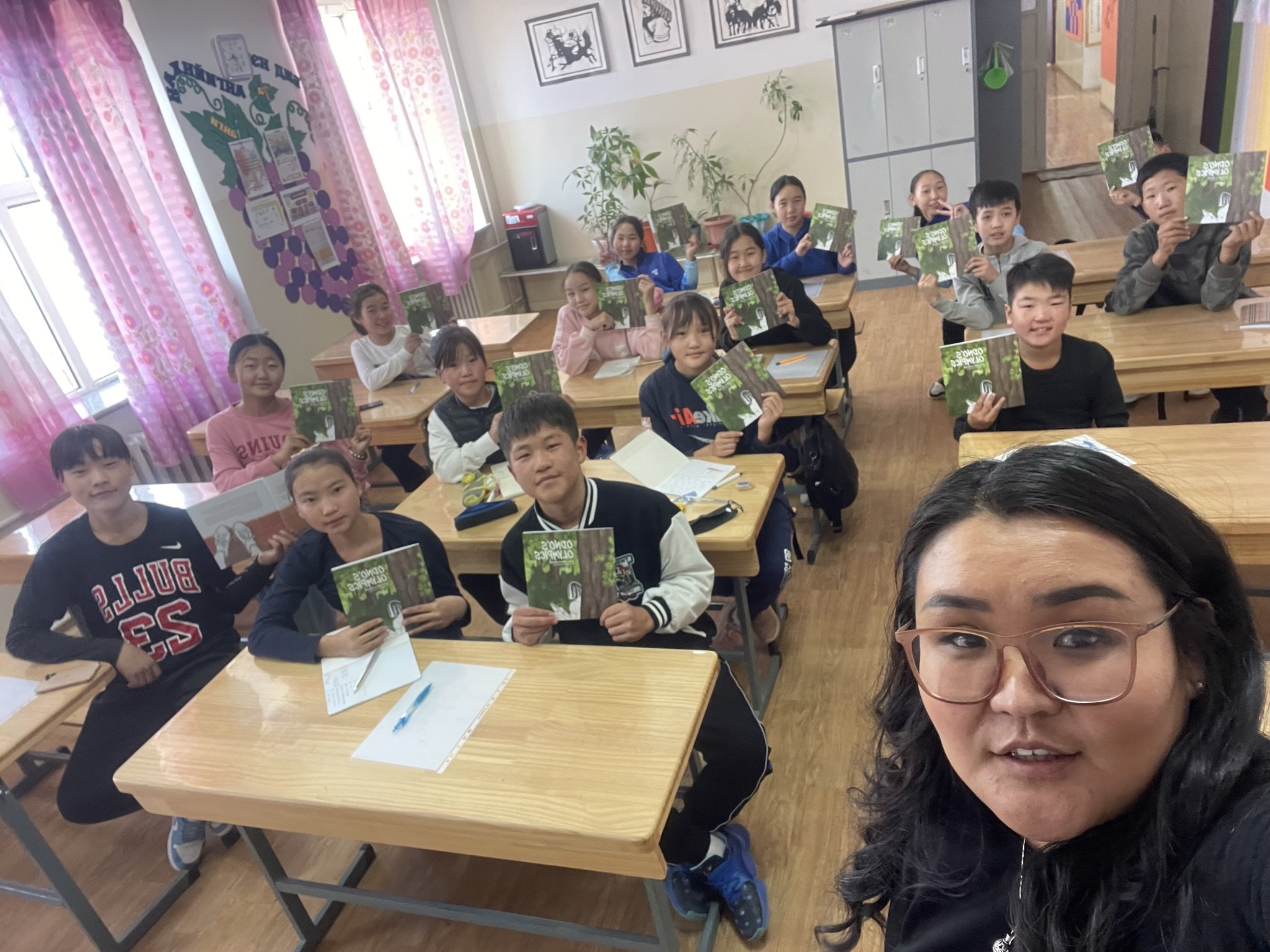
I have been all over Mongolia over the years as a tour leader, but I always wanted the experience of living in a rural town. I thought it would be in a town somewhere in the north in Khuvsgul, but when I heard that the school in Bulgan soum in south Gobi was looking for an English teacher, I thought "why not". I spent almost 3 years teaching English there. It is this village / soum center of around 300 people (Bulgan soum, soum being the smallest administrative unit, has a total population of 2,000, of which 300 live in the soum center), with 30 or so children attending the school. The village is in a valley famous for its sandstorms. Often, I would wake up with the wind whistling through the window cracks, the surroundings hardly visible due to the sandstorm. And I would think, what am I doing here. But then I would step through the school door, talk to the children and the staff there, and would feel happy again.
Living in Bulgan has taught me so much about life in the remote areas and about myself. Daily life is full of ups and downs in a small community, but people were always so warm and hospitable. Sometimes there would be an apple waiting on my desk in the mornings, a lovely surprise. Someone might come by with lunch for you or drop off some fresh produce from their gardens.
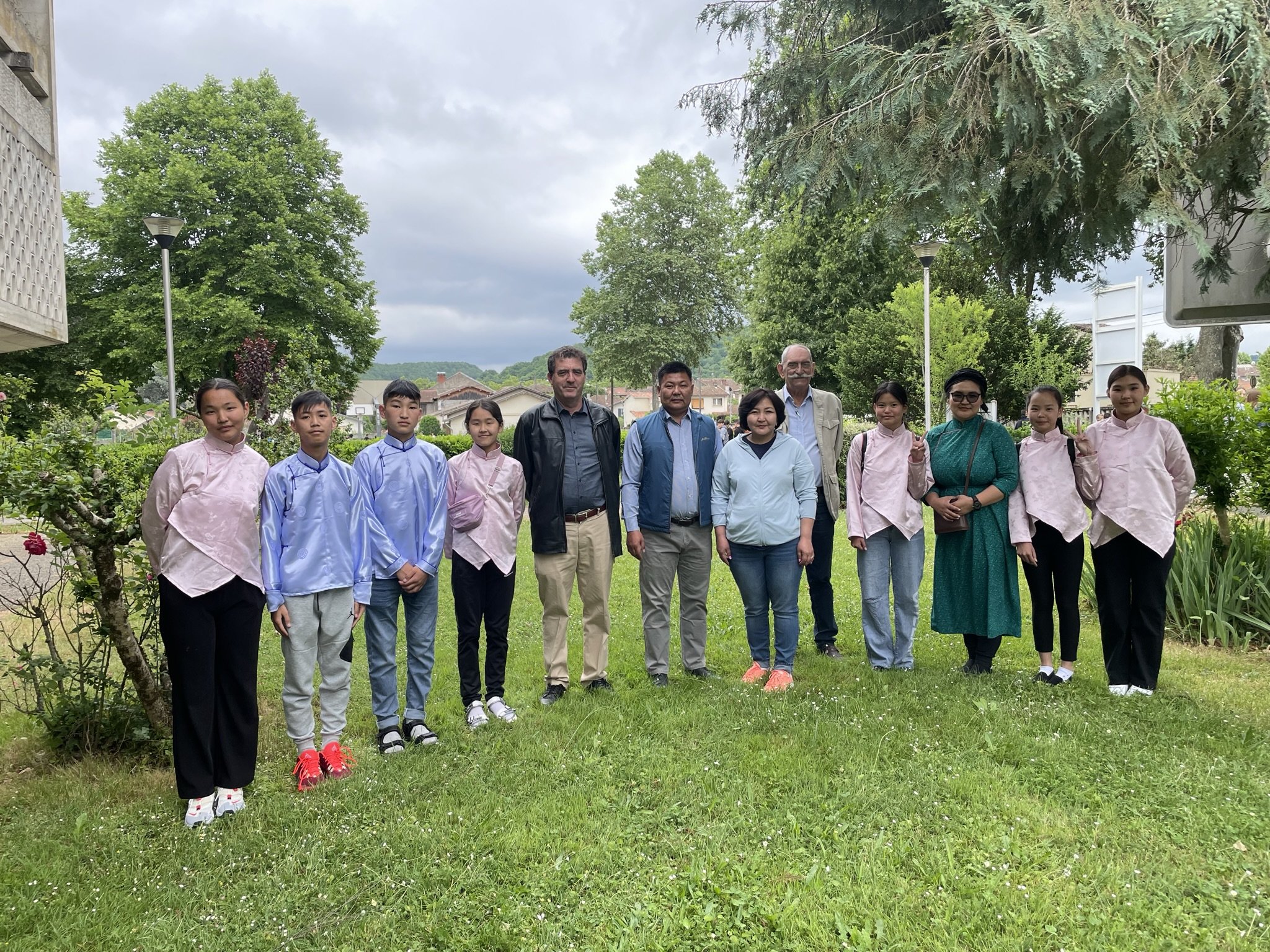
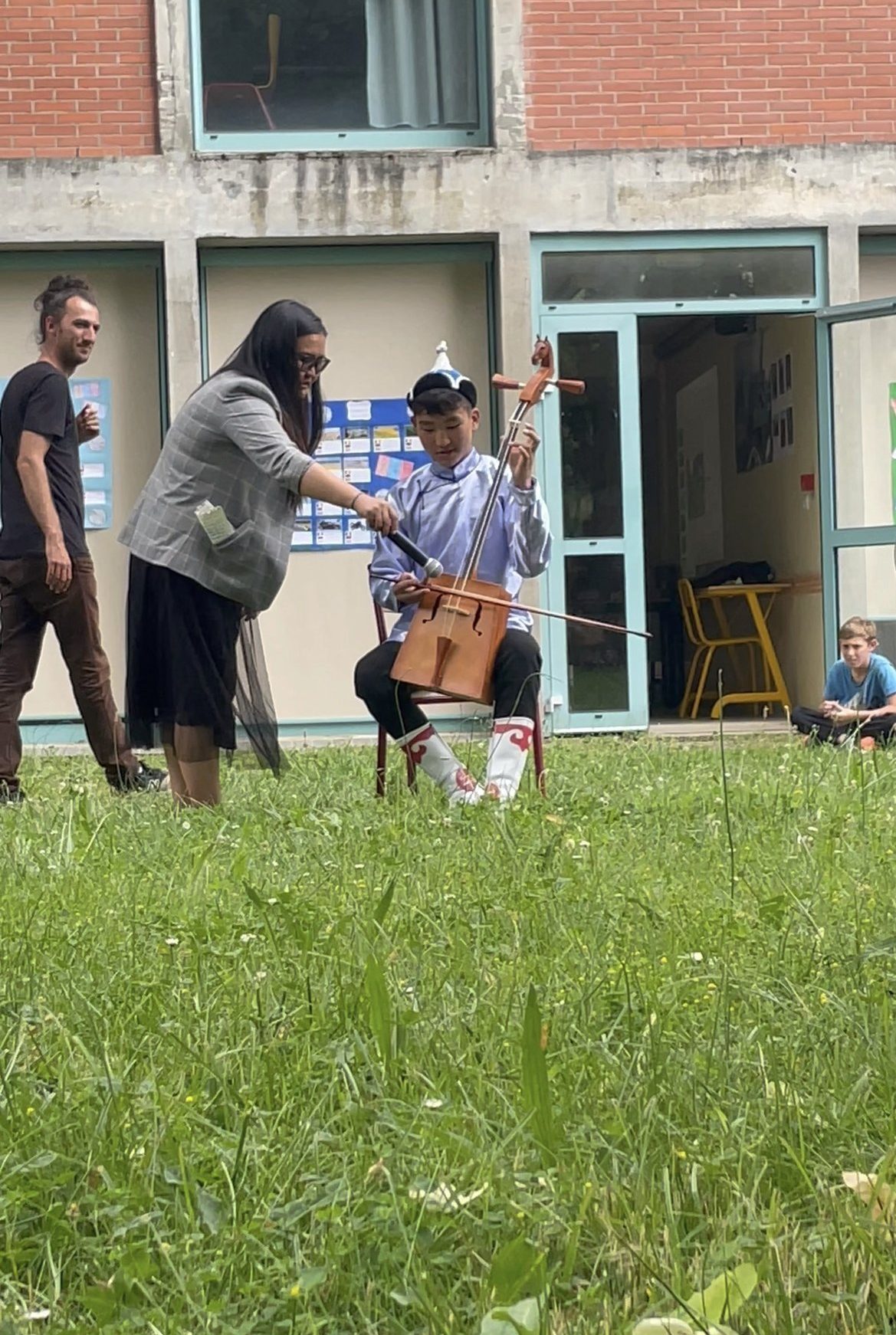
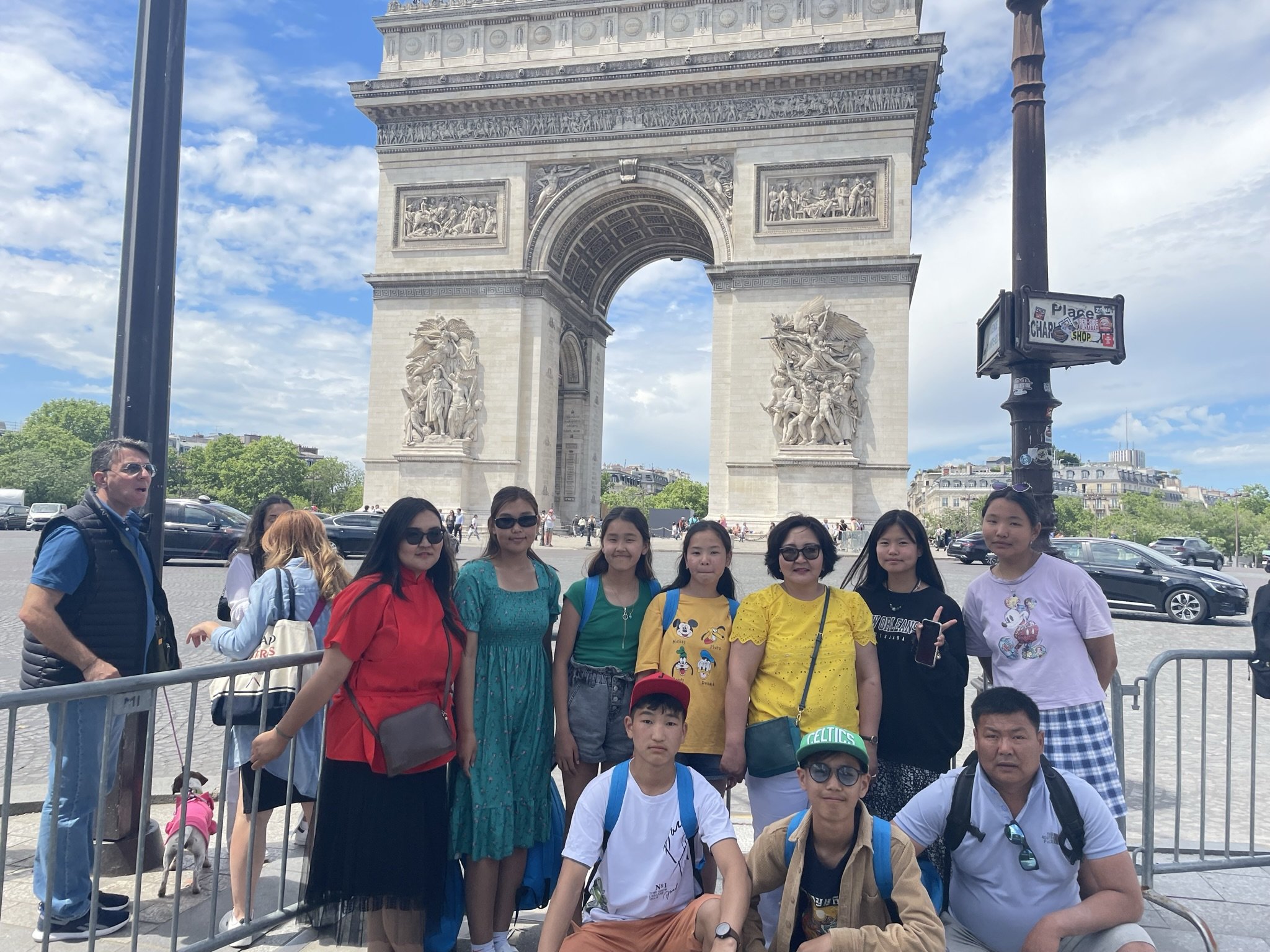
During my time here, I discovered that the soum had a dormant sister city relationship with a town in southern France. So, I started up pen pal correspondences between the soum children and the French town school children. Eventually, the French school invited the children over to France on a student exchange program. I eventually took a group of seven teenagers to France on exchange. This is my proud achievement of the time spent teaching in Bulgan. Later on the students wrote essays about their experience on the school trip, and I was glad to find that the trip had changed their perspectives on life, each in their way.

6. What are your top three travel bucket list destinations, and why do they appeal to you?
- Safari Trip, maybe to Serengeti. I was born in the year of the Tiger, and my zodiac sign is Leo. So, I have always felt close to big cats. I want to see lions in the wild.
- Middle East region. I have been listening to a lot of history podcasts, especially about the Mongol Empire. The Silk Road went through the region. So I want to explore the Middle Eastern part of the Silk Road
- Italy. Because the country is so rich in history and culture, and I've always wanted to go there.

#WildStories #WildMongolia




Keep In Touch