
Table of Contents
Chinggis Khaan or Genghis Khan?
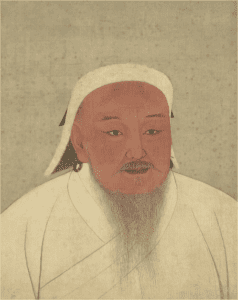
A classical depiction of Chinggis Khaan, the founder of the Mongol Empire.
A Name That Shaped Empires, and Still Shapes Identity
If there is one name that echoes across continents and centuries, it is his.
The man who unified the warring tribes of the steppe and built the largest land empire the world has ever known is a figure as admired as he is misunderstood. But before we explore his deeds, we must ask a surprisingly important question.
Who exactly are we talking about?
Is it Genghis Khan, as the world calls him?
Or Chinggis Khaan, as his own people do?
This is not just a spelling debate. It is about cultural ownership, linguistic integrity, and the power of a name to carry or distort meaning across time.
A Title, Not a Name
“Chinggis Khaan” was never his birth name.
He was born Temüjin in the 1160s during a time of clan rivalries and shifting alliances on the Mongolian steppe. When he united the Mongol tribes in 1206 and was proclaimed the supreme ruler at a kurultai (tribal assembly), he was given the title Chinggis Khaan.
In Mongolian, Khaan (Хаан) means “sovereign” or “ruler.” Chinggis is widely believed to derive from a word meaning “ocean” or “vast expanse.” The title may have symbolized limitless rule. It was not simply political. It carried cosmic meaning.
It was not just a name. It was an idea.
How “Chinggis” Became “Genghis”
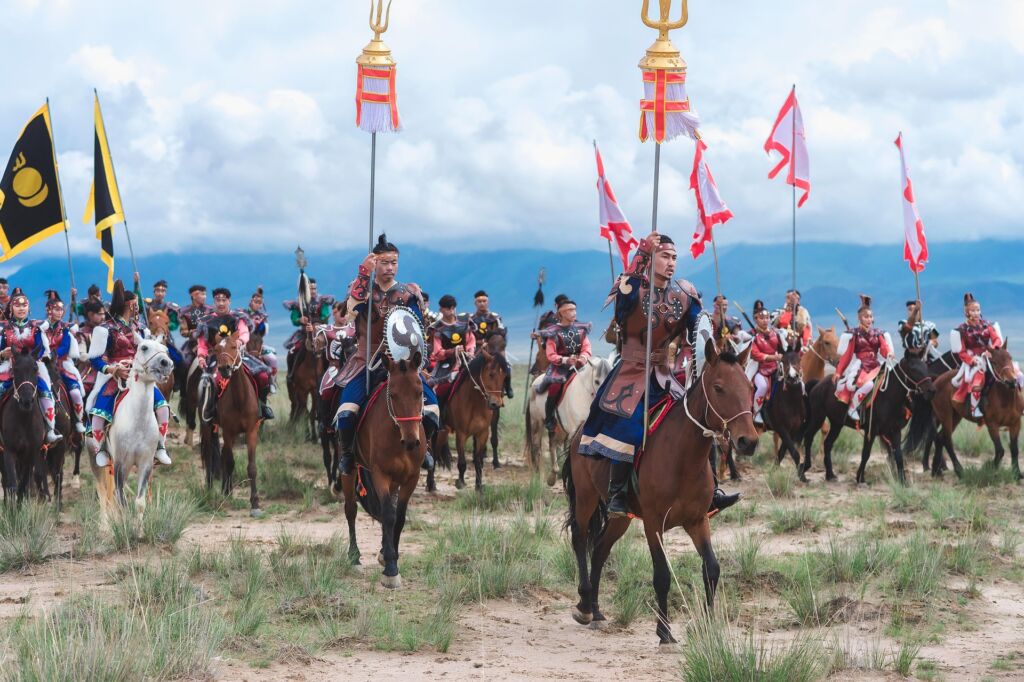
Riders in traditional armor honoring Mongolia’s warrior heritage.
The transformation happened through translation and interpretation.
Persian, Arabic, and Chinese sources recorded his name using their own scripts. Later, European scholars transliterated those approximations into Latin letters. By the time the name reached Western academia, Chinggis had already become Genghis.
Maps, encyclopedias, and history books eventually standardized the version most people know today, although few Mongolians would recognize it as his name.
To Mongolian ears, Genghis Khan sounds like someone else entirely.
Language, Memory, and Identity
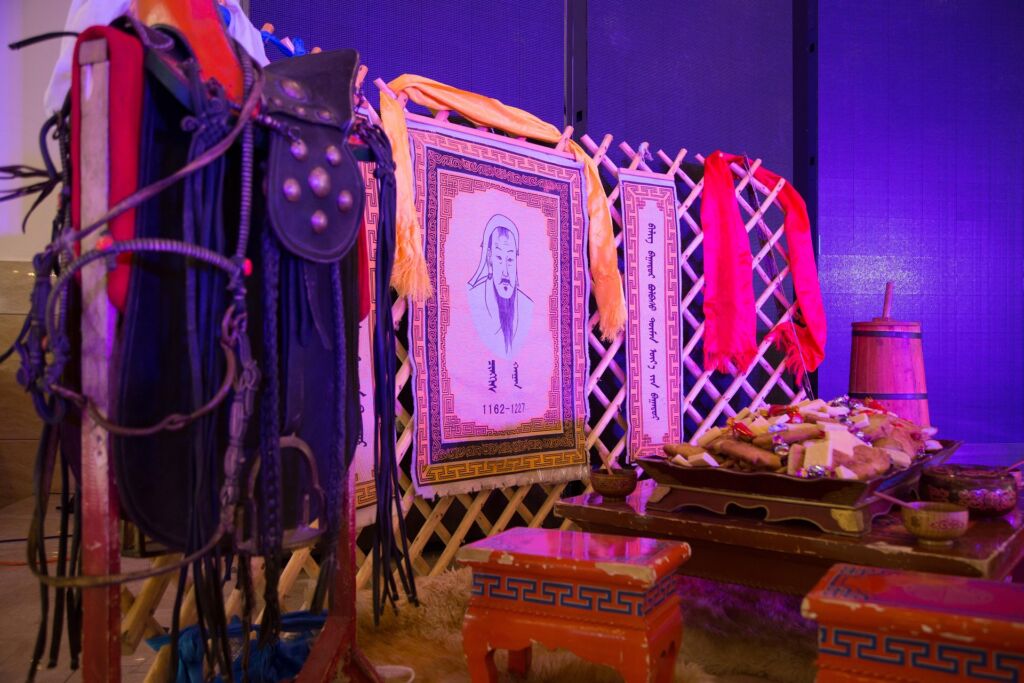
Cultural artifacts and imagery honoring the legacy of Chinggis Khaan.
For Mongolians, Chinggis Khaan is not only a historical figure. He is a cultural foundation.
His name appears on statues, museums, universities, airports, and even vodka labels. He is not remembered as a distant conqueror. He is regarded as the architect of identity.
Using Chinggis Khaan is not about correcting pronunciation. It is about acknowledging a worldview.
Western narratives often portray him as a brutal destroyer. Mongolian memory remembers something else entirely. He is seen as a lawgiver, strategist, and unifier who protected nomadic life and reshaped trade, governance, and religious tolerance.
To use the name Chinggis Khaan is to reclaim that perspective.
Which Name Should You Use?
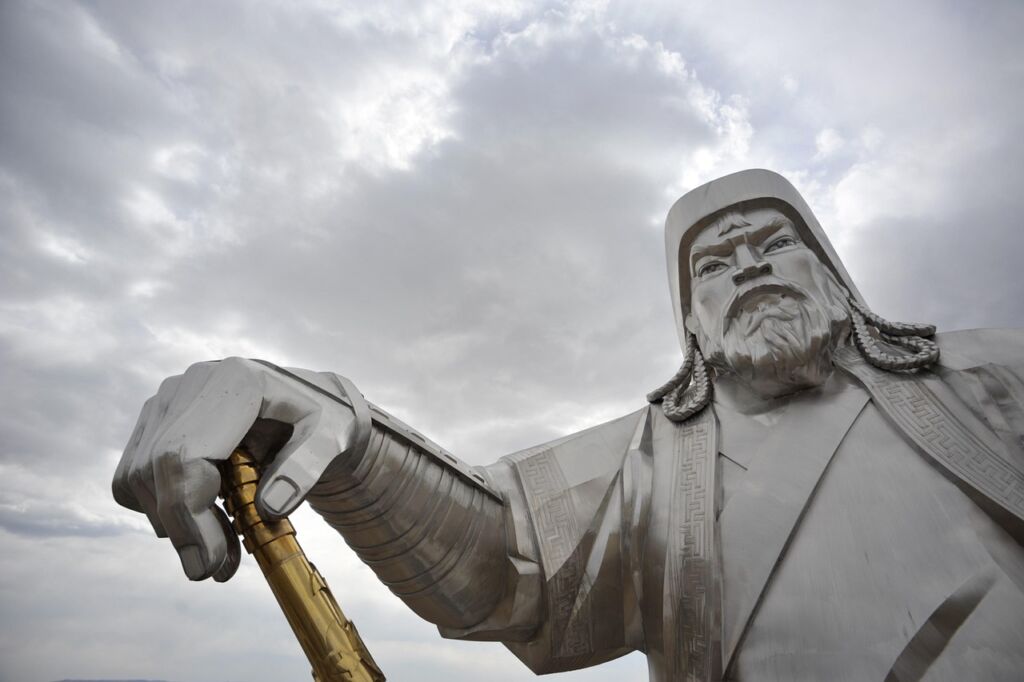
A detailed perspective of Chinggis Khaan’s statue at Tsonjin Boldog.
Both names refer to the same person, but not with the same meaning.
Genghis Khan is common in global references and English texts.
Chinggis Khaan is the name rooted in Mongolian history, language, and cultural sentiment.
If you are in Mongolia, use Chinggis Khaan. People will notice, and they will appreciate it.
How We Approach It at WildMongolia
At WildMongolia, we do not simply show travelers monuments. We help them understand Mongolia from the inside.
Chinggis Khaan is not an abstract figure for us. His legacy becomes real through immersive experiences, at Chinggis Khaan National Museum, such as:
• Curated museum visits with professional explainers who interpret artifacts, weaponry, belief systems, and oral histories connected to his era.
• Private cultural performances including traditional dance, throat singing, and morin khuur concerts that illustrate how his era still influences Mongolian artistic expression.
• Expert-led encounters with historians, artisans, storytellers, and elders who preserve the memory and values linked to his legacy.
These experiences allow travelers to understand why the name Chinggis Khaan continues to matter today.
Explore His Legacy
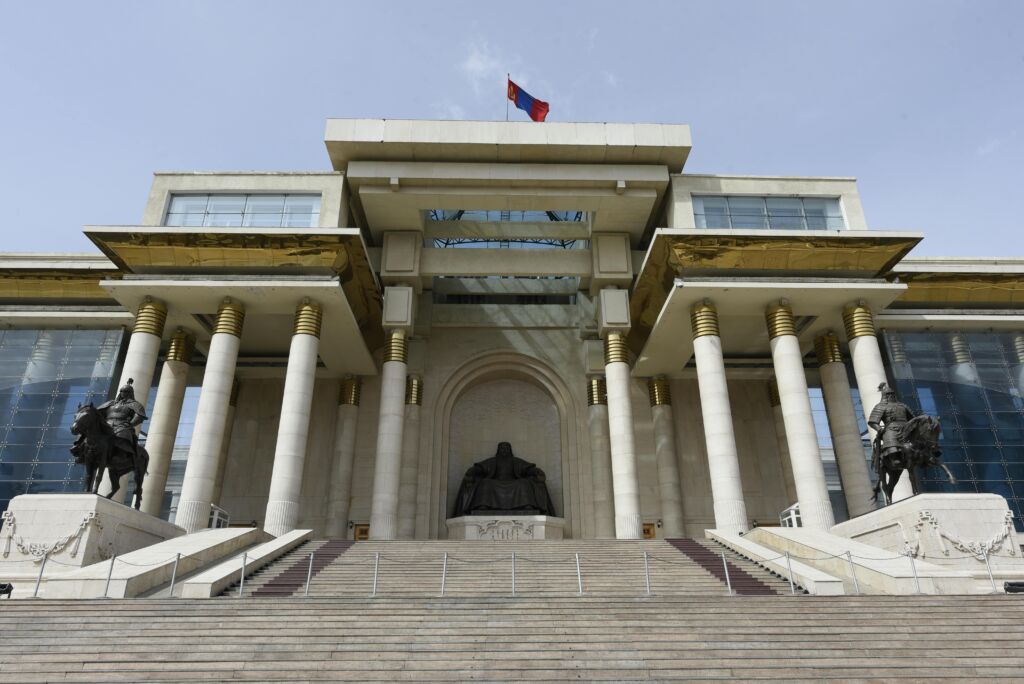
The central square of Mongolia, where Chinggis Khaan presides over the nation’s capital.
If you want to follow his story, there are few places more meaningful than these:
- Ikh Khentii Mountains, believed to be his sacred homeland.
- Delüün Boldog, a site many consider his birthplace.
- Chinggis Khaan Statue Complex, a towering 40 meter steel monument that symbolizes pride and continuity.
- National Museum of Mongolia, home to artifacts, armor, and legal codes from his era.
On our journeys, these locations are not photo stops. They are entry points into history.
Final Thoughts
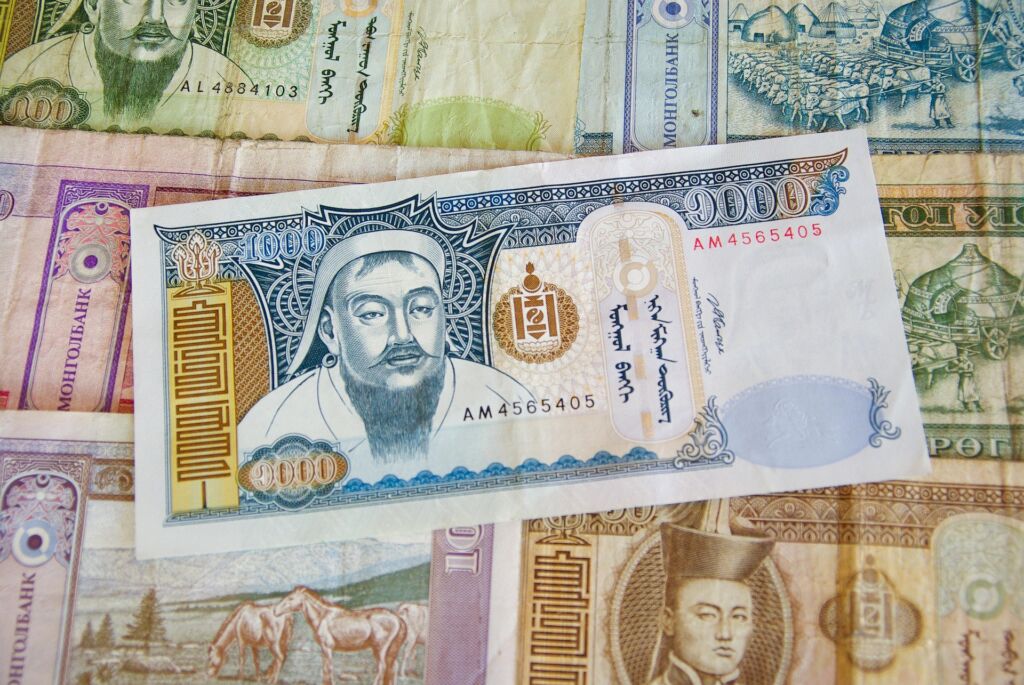
Chinggis Khaan continues to symbolize national pride on Mongolia’s currency.
Names are not labels. They are carriers of meaning.
Chinggis Khaan is not just a historical figure. He is a living presence in Mongolian identity, memory, and landscape.
Say the name, and you are not simply referring to a ruler. You are invoking centuries of culture and worldview.
Ready to Go Deeper?
Join us in Mongolia and explore the landscapes, legacies, and living culture shaped by the man Mongolians still call Chinggis Khaan.





Keep In Touch